As the global construction industry evolves, the focus on "Reinforcement Steel Rebar" continues to grow. Renowned expert Dr. Emily Chen, a leading authority in structural engineering, emphasizes, "The future of construction lies in innovative reinforcement solutions." This sentiment captures the urgency and potential of trends in the rebar market.
In 2026, buyers around the world will need to stay ahead of emerging trends in "Reinforcement Steel Rebar." Innovations in material technology and sustainable practices are reshaping the landscape. Factors such as cost efficiency and environmental impact increasingly influence purchasing decisions. Steel producers are investing in high-performance materials to meet diverse project demands.
However, not all trends may yield immediate benefits. Some new technologies might present challenges in terms of adoption and integration. Despite these uncertainties, the push for quality and sustainability remains undeniable. Buyers must navigate these complexities to make informed choices. The rapidly changing market calls for vigilance and adaptability in selecting "Reinforcement Steel Rebar" solutions.
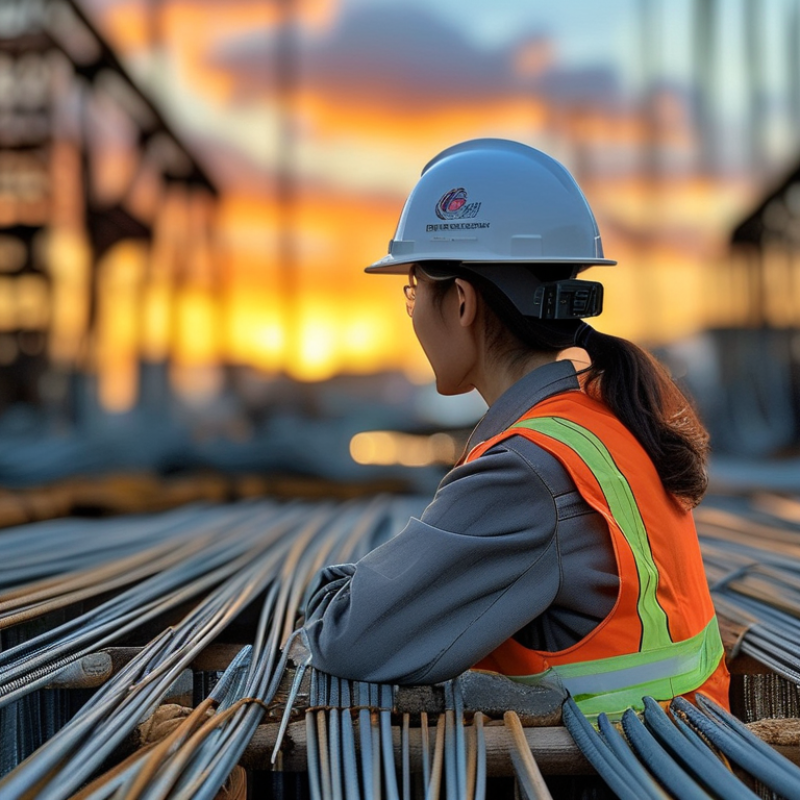
Emerging Technologies in Reinforcement Steel Production for 2026
The production of reinforcement steel rebar is on the cusp of significant transformation in 2026. New technologies are emerging that promise increased efficiency and sustainability. One notable development is the adoption of a circular economy model. This model reuses scrap steel, reducing waste and energy consumption. According to the World Steel Association, recycled steel can save up to 74% of energy compared to traditional methods.
Another trend is the integration of automation and AI in manufacturing processes. These technologies help streamline operations, minimize human error, and enhance quality control. Reports from leading industry analysts indicate that automation can increase production rates by up to 30%. However, the initial investment in these technologies may be high, posing challenges for smaller manufacturers.
Additionally, advancements in materials science are leading to the creation of high-performance rebar. These materials offer greater strength with less weight, contributing to more sustainable construction practices. A recent study highlighted that new alloy compositions can enhance tensile strength by approximately 25%. Yet, the long-term durability of these innovations requires ongoing research and testing to fully understand their implications.
Market Forecast and Demand Analysis for Reinforcement Steel Rebar
The global demand for reinforcement steel rebar continues to rise, driven by urbanization and infrastructure projects. According to a recent report, the market is expected to grow at a CAGR of 5.3% from 2023 to 2026. Regions like Asia-Pacific lead this trend due to rapid construction activities. The construction of bridges, roads, and buildings requires large volumes of rebar, essential for ensuring structural integrity.
However, challenges persist. Fluctuating raw material prices can impact production costs. Moreover, the increasing adoption of sustainable practices urges manufacturers to innovate. High-strength steel rebars and eco-friendly materials may gain traction. This shift aims to meet regulatory standards while catering to environmentally conscious consumers. It's crucial to monitor these developments closely.
In the long run, factors like city population growth and infrastructure investments will drive demand. Trends indicate a potential imbalance in supply and demand, urging stakeholders to strategize. Optimizing production processes and focusing on new technology can enhance market positioning. Continuous market analysis is essential for navigating this evolving landscape effectively.
Sustainability Trends Impacting the Global Reinforcement Steel Industry
Sustainability is reshaping the reinforcement steel industry. Many manufacturers are adopting eco-friendly practices. These efforts include using recycled materials and reducing carbon emissions. The focus is not just on compliance but on leading the charge in environmental consciousness.
In recent years, innovation has driven sustainable developments. Emerging technologies allow for more efficient production processes. For instance, some companies are experimenting with electric arc furnaces, which significantly cut down on energy use. However, achieving full sustainability is still a work in progress. Challenges like high costs and regulatory hurdles remain.
Global buyers are increasingly favoring suppliers committed to sustainability. They understand that responsible sourcing impacts long-term viability. This trend might not yet be fully realized in every market. But as awareness grows, companies will need to adapt or risk losing their competitive edge. Reinforcement steel buyers will continue to demand transparency, pushing manufacturers toward greener practices.
Key Players and Competitive Landscape in Global Rebar Market
The global rebar market is evolving rapidly. Key players are adapting to changing industry demands. They focus on sustainable practices and innovative materials. These changes affect production methods significantly. Many companies are investing in advanced technologies. This enhances efficiency and reduces waste.
Competition in the rebar market is fierce. Companies are diversifying their product lines. Some are exploring new markets to expand their reach. Others prioritize quality to differentiate themselves. While these strategies can lead to growth, they also pose risks. Not all initiatives result in success. Companies must remain agile and responsive to industry trends.
Collaboration remains essential among industry players. Strategic partnerships can lead to shared resources and knowledge. This creates a more resilient supply chain. Yet, companies must be cautious. Misalignment in partnerships can lead to disruptions. The competitive landscape requires constant reflection on strategies and decisions. Adapting to these changes will be crucial for future success.
2026 Top Reinforcement Steel Rebar Trends for Global Buyers
| Region |
Market Share (%) |
Growth Rate (CAGR %) |
Key Trends |
| North America |
20% |
4.5% |
Sustainability initiatives, smart construction technologies |
| Europe |
25% |
3.8% |
Increased demand for high-strength rebar, recycling trends |
| Asia-Pacific |
40% |
5.2% |
Rapid urbanization, infrastructure development |
| Latin America |
10% |
3.0% |
Investment in public projects, modernization efforts |
| Middle East & Africa |
5% |
4.0% |
Emerging markets, increasing construction activities |
Innovations in Reinforcement Steel Applications Across Various Industries
The reinforcement steel industry is undergoing significant innovations across various sectors. According to a recent market analysis, the demand for high-strength rebar continues to rise, driven by infrastructure developments globally. The American Concrete Institute reports a substantial increase in the use of fiber-reinforced polymers in rebar applications. This trend not only enhances strength but also reduces overall weight, leading to more efficient construction practices.
Sustainability is a critical focus as well. The World Steel Association highlights that over 50% of steel is now produced using recycled materials. This advancement demonstrates a shift towards eco-friendly solutions, although certain challenges remain. The production processes still need to reduce carbon emissions further. As industries strive for greener alternatives, innovative applications of rebar in building structures can contribute significantly to sustainable development goals.
Industry experts acknowledge a gap in the adoption of advanced technologies. Many companies hesitate to invest in new materials or methods. Educating stakeholders about the benefits of innovative rebar solutions is essential. As the market evolves, those who embrace these changes will likely see improved outcomes in both performance and environmental impact.
Conclusion
The article "2026 Top Reinforcement Steel Rebar Trends for Global Buyers" explores several critical aspects that will shape the future of the reinforcement steel rebar industry. It begins by examining emerging technologies in reinforcement steel production, highlighting innovations that promise to enhance efficiency and sustainability. The forecast and demand analysis indicate a growing market for reinforcement steel rebar as construction and infrastructure projects increase globally.
Furthermore, the article discusses sustainability trends that are becoming increasingly vital in the reinforcement steel industry, influencing manufacturing processes and material choices. It also provides insights into the competitive landscape, identifying key players and their strategies in the global rebar market. Finally, the article delves into innovations in the applications of reinforcement steel across various industries, showing how these advancements will play a pivotal role in meeting future demands. Overall, the landscape of reinforcement steel rebar is poised for significant transformation.

 Best Composite