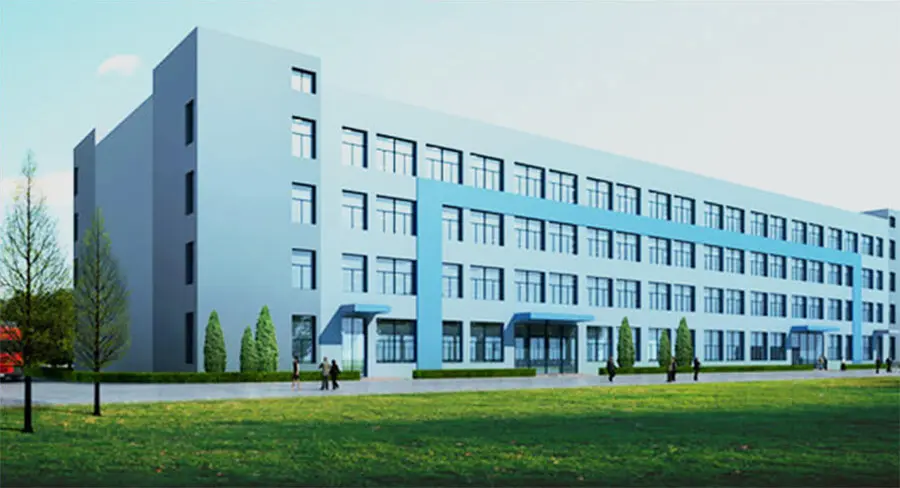
Established as a global authority in high-performance materials, Jurong Best Composite Materials Co., Ltd. is strategically located in the historic town of Maoshan, Jurong City, Zhenjiang, Jiangsu Province. Situated in the heart of the Yangtze River Delta Economic Zone, our facilities benefit from seamless logistics, positioned adjacent to Nanjing Lukou International Airport, the Jianning-Taicang Expressway, and direct deep-water pathways via Zhenjiang Port and Nanjing Port.
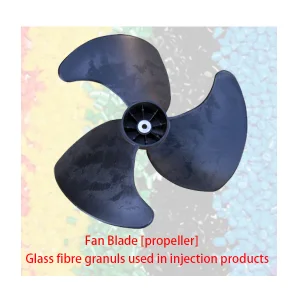
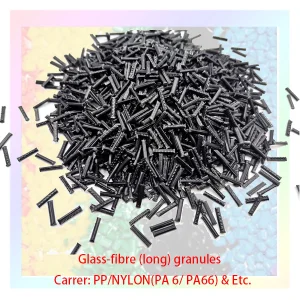
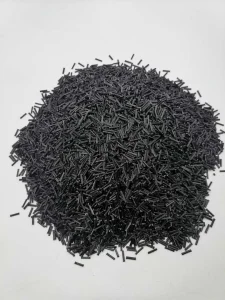
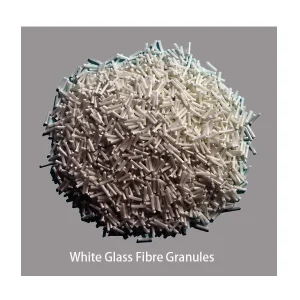
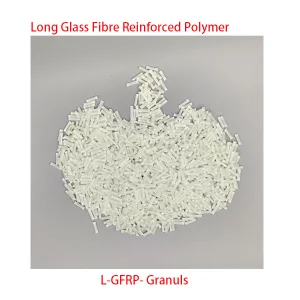
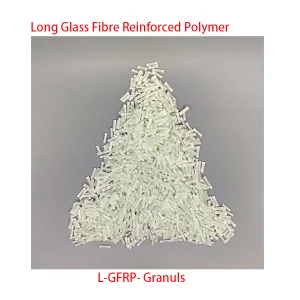
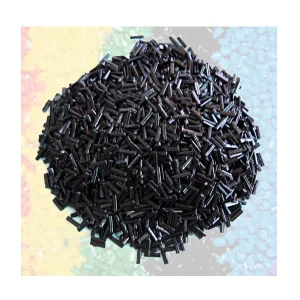
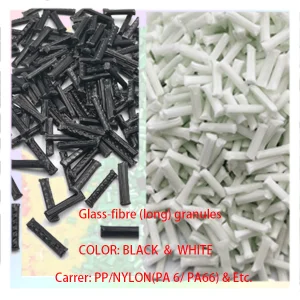
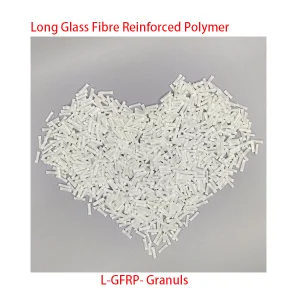
We specialize in the synthesis, formulation, and exportation of advanced Long Glass Fiber Reinforced Polymer (LGF / GFRP) granules. These granules represent the pinnacle of materials science, specifically engineered to manufacture structural rebars, automotive structural modules, and heavy industrial components. Through cutting-edge compound engineering, we bridge the gap between polymer science and infrastructural structural integrity.
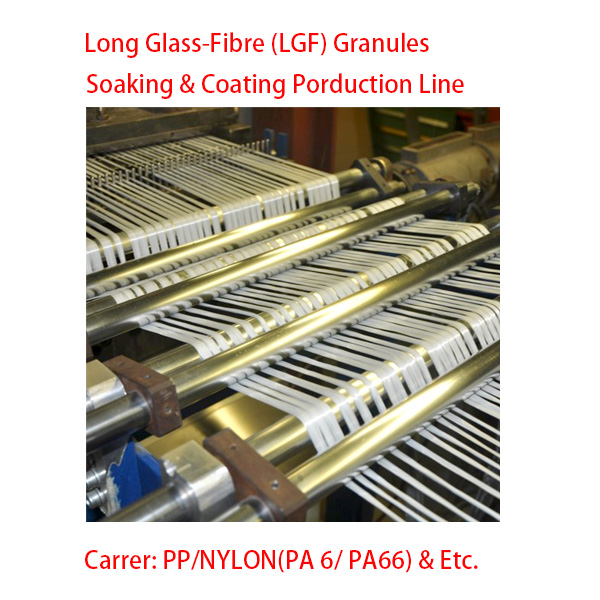
Traditional steel rebar is highly vulnerable to chemical oxidation, leading to rust, cracking, and premature structural failure in concrete infrastructure. Our engineering team at Jurong Best has resolved this constraint by optimizing the matrix composition of Glass Fiber Reinforced Polymer (GFRP). By using pultrusion-compatible and high-viscosity injection-molded LGF polymers, we ensure a high fiber volume fraction (up to 60-70%) that is evenly aligned axially.
Our technical route focuses on maximizing interfacial adhesion between the glass fiber filaments and the polymer matrix (ranging from resilient Polyamides to ultra-resistant Polyphenylene Sulfide). This structural synthesis provides excellent tensile modulus, thermal resistance, and exceptional chemical inertness in highly alkaline concrete environments.
Read The Technical GuideUnlike steel, GFRP structures constructed with our matrix compounds are unaffected by chloride ion penetration and high alkaline environments. This guarantees a lifespan of over 100 years, even in marine structures and chemical processing plants.
Our long glass fiber technology uses continuous fiber alignment, achieving tensile strengths that are twice that of structural steel while reducing weight to just one-quarter. This reduces transport costs and simplifies handling on-site.
GFRP rebars manufactured with our specialized granules are electromagnetically non-conductive and act as thermal insulators. They are ideal for MRI diagnostic clinics, toll plazas, high-voltage substations, and marine applications.
Composite R&D Expertise
Annual Production Capacity
Global Export Footprint
Traceable Batch Inspections
Seawalls, harbors, docks, and offshore oil platforms are exposed to harsh saltwater and moisture. Our specialized GFRP composite solutions offer long-term resistance to corrosion, significantly reducing maintenance costs.
In metro tunnels and light rail networks, electromagnetic interference can affect signaling systems. Non-conductive glass fiber rebar reinforcements ensure uninterrupted operation and high shear strength.
Chemical treatment units, wastewater processing stations, and automated manufacturing lines use glass fiber composites to prevent corrosion from acid spills and mechanical stress.
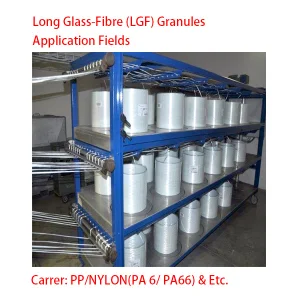
At our plant in Zhenjiang, Jiangsu, Jurong Best leverages advanced automated manufacturing processes to ensure consistent material quality. Our twin-screw compounding lines are equipped with precision gravimetric feeders, state-of-the-art fiber pultrusion mechanisms, and real-time sensor monitoring. This level of automation guarantees that each pellet of LGF polymer meets exact fiber length distribution and sizing specifications.
With our location in the Yangtze River Delta, we are close to major shipping hubs, allowing us to quickly dispatch orders. We maintain strict control over our logistics and lead times, ensuring prompt delivery to global infrastructure projects through Nanjing and Shanghai ports.
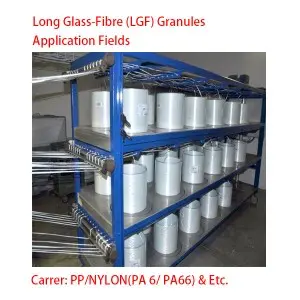
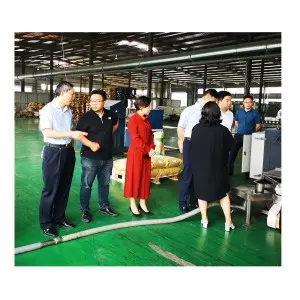
Our international clients visited the factory to conduct a thorough and rigorous inspection of our PA6 and PA66 long GFRP (Glass-Fiber-Reinforced-Polymer) granules. The inspection covered physical properties, tensile testing, and fiber length distribution. The clients expressed high satisfaction with our automated quality control systems, verifying that our products comply with local project standards. Reported by Lu.
Read Full Audit Report →To meet the growing global demand for high-strength composite components, Jurong Best has completed the installation and calibration of our newest GFRP pelletization line. The system is running smoothly, increasing our annual production capacity while maintaining high accuracy in fiber length and pellet dimensions. This line is designed to process specialized matrices including PPS, PPA, and TPU.
Read Technical Details →
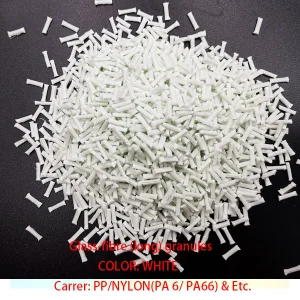
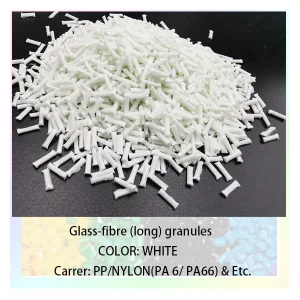
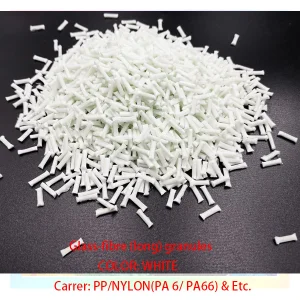
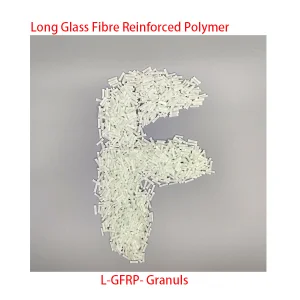
Looking to source high-performance GFRP/LGF compound granules for infrastructure, automotive, or industrial application? Contact our technical engineering team for details.
 Best Composite