For decades, structural engineering relied almost exclusively on carbon steel rebar to reinforce concrete. However, this reliance has created a global maintenance crisis due to structural degradation caused by rust and electrochemical corrosion, costing public utilities billions annually. Concrete structures exposed to deicing salts, marine coastal winds, acid rain, and magnetic interference require a reinforcement material that offers high durability, tensile load resilience, and corrosion immunity.
Glass Fiber Reinforced Polymer (GFRP) composites represent a transformative leap forward. Made by combining high-purity glass roving with thermosetting or engineered thermoplastic polymer matrices, GFRP delivers a tensile strength that matches or exceeds structural grade 60 steel at only one-fourth of the weight. Its complete lack of chemical susceptibility to oxidation removes the risk of spalling, ensuring reinforced concrete structures last over a century with minimal maintenance.
GFRP does not react to chloride ions, acids, or harsh chemical compounds, preventing oxide expansion and concrete cracks.
Perfect for medical, military, scientific, and toll road settings where metal-induced induction or magnetic field distortion must be avoided.
Lighter weight reduces freight expenses, allows for quicker on-site setup, and reduces strain on assembly personnel.
The mechanical performance and durability of a composite rebar depend on the polymer matrix used to bind the load-bearing glass fibers. By tailoring the resin matrix, engineers can optimize composite rods for specific heat thresholds, chemical exposures, and stress limits.
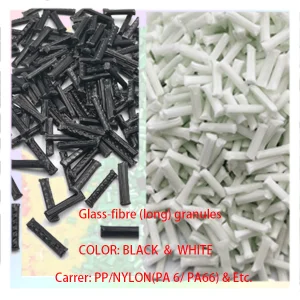
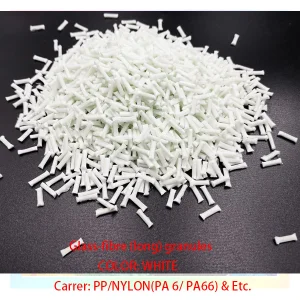
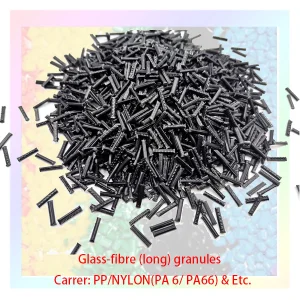
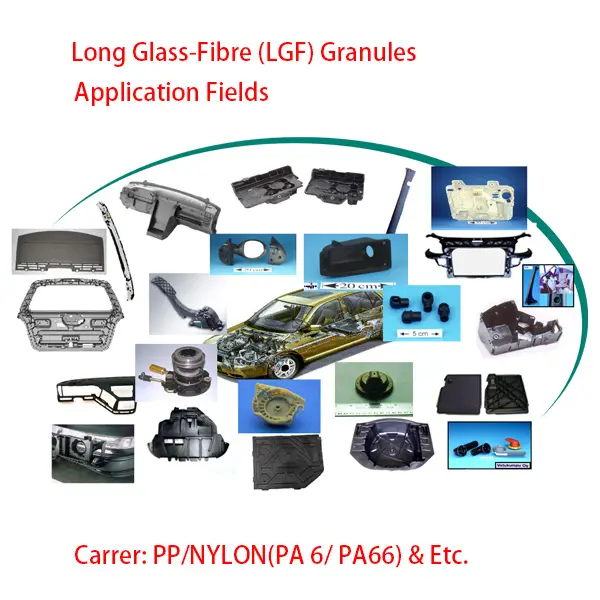
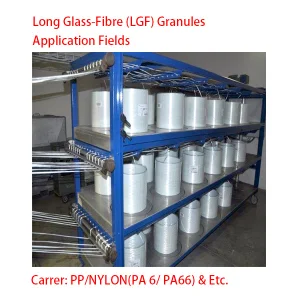
Polyamide 6 (PA6) and Polyamide 66 (PA66) matrices are popular for applications requiring high structural toughness, impact resistance, and thermal stability. Long Glass Fiber (LGF) filled polyamides improve structural stability and creep resistance, keeping rebar dimensionally stable under sustained structural loads.
For moisture-prone and highly alkaline concrete environments, Polypropylene and Polybutylene Terephthalate (PBT) matrices provide excellent chemical shielding. They resist alkaline hydrolysis, protecting internal glass strands from degradation by concrete pore solutions.
Polyphthalamide (PPA) is chosen for critical projects with high heat resistance requirements. Thermoplastic Polyurethanes (TPU) offer high elasticity and dampening support, which helps prevent shear cracking during seismic events or under heavy traffic loads.
Located in the ancient town of Maoshan, Jurong City, Zhenjiang, Jiangsu Province, Jurong Best Composite Materials Co., Ltd. runs a modern factory that blends traditional craftsmanship with advanced manufacturing technology.
Strategically positioned near Nanjing Lukou International Airport, the Jianning-Taicang Expressway, and key shipping ports (Zhenjiang Port and Nanjing Port), the company offers efficient logistics access to the Yangtze River Delta Economic Zone and global shipping hubs. This ensures timely supply chain distribution and lower freight costs for global projects.
Equipped with modern extrusion and pultrusion machinery, the facility utilizes automation to ensure consistent fiberglass distribution, strict curing cycles, and exact profile cuts. This automated approach ensures that every production batch meets strict international standards for tensile strength, shear resistance, and surface adhesion.
GFRP composites are used across several key engineering sectors to replace traditional steel:
Sourcing GFRP rebar requires balancing initial material costs against long-term lifecycle savings. While the upfront cost of GFRP per foot may vary compared to raw black steel, it delivers significant cost benefits when factoring in shipping savings, faster installation times, and the elimination of maintenance overheads.
Key factors influencing the GFRP pricelist include:
To ensure structural safety, GFRP reinforcements must meet strict global engineering codes. Our manufacturing lines run under strict quality control protocols that align with standard compliance frameworks:
Each batch undergoes tensile strength, shear strength, and environmental aging tests to verify long-term resistance to alkaline pore solutions.
The next phase of GFRP engineering focuses on functional integration and improved sustainability:
Smart Rebars (Structural Health Monitoring): By embedding optical fiber sensors inside the core glass fibers, next-generation GFRP rebars can provide real-time data on internal strain, concrete shrinkage, and structural load distribution throughout a bridge or building's lifecycle.
Recyclable Thermoplastic Formulations: Moving from traditional thermosetting resins to specialized thermoplastic matrices enables easier recycling, cleaner processing, and post-installation forming options, helping projects meet modern green building certifications.
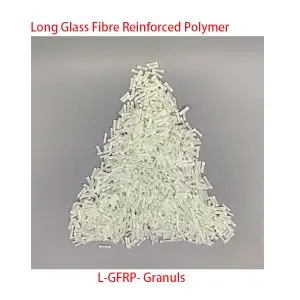
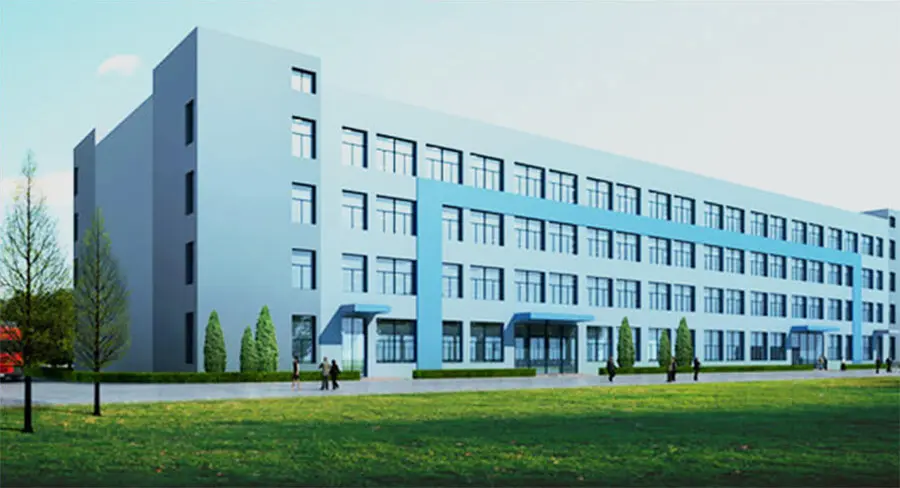
Located in the ancient town of Maoshan, Jurong City, Zhenjiang, Jiangsu Province, our company benefits from a rich industrial history and prime access to the Yangtze River Delta Economic Zone. Near Nanjing Lukou International Airport, the Jianning-Taicang Expressway, and major deep-water shipping lanes, we ensure reliable global logistics and transit times.
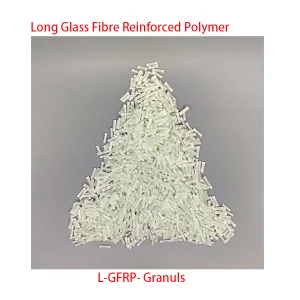
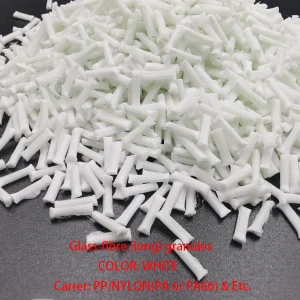
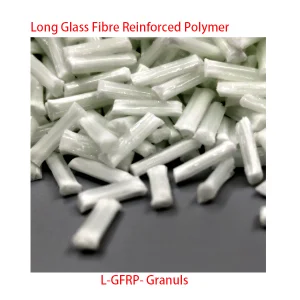
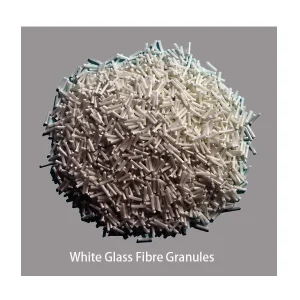
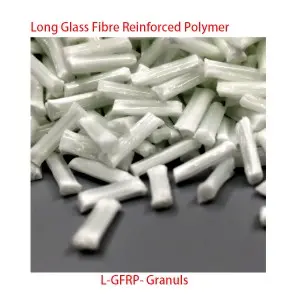
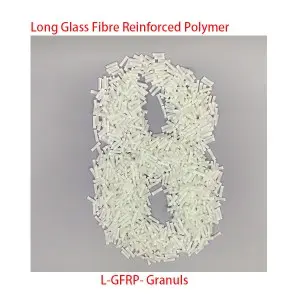
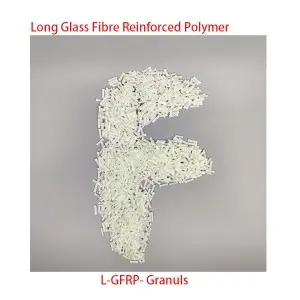
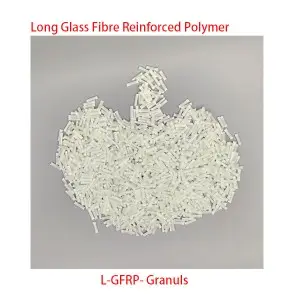
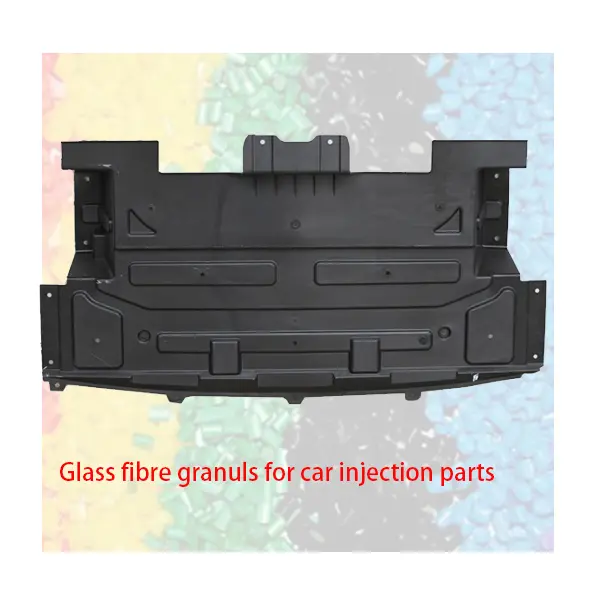
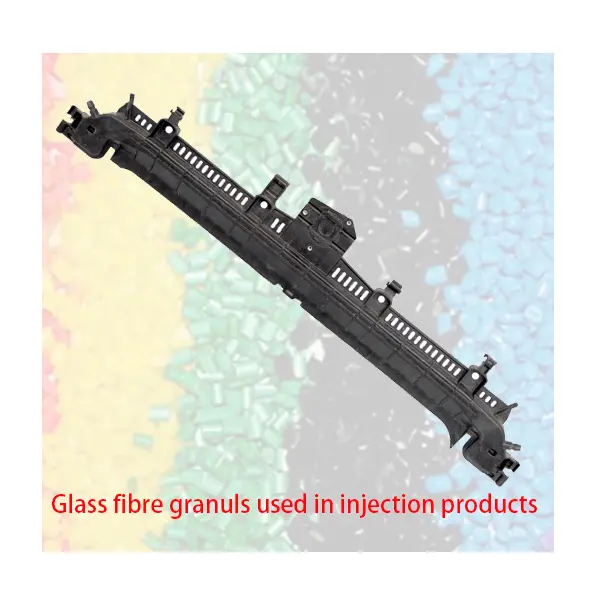
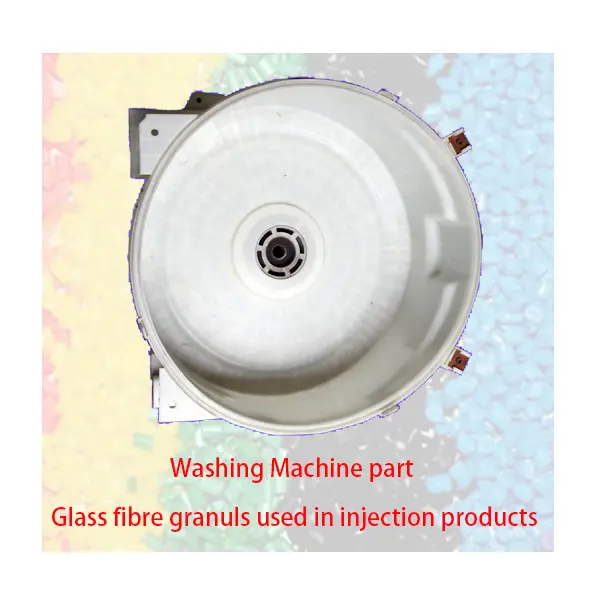
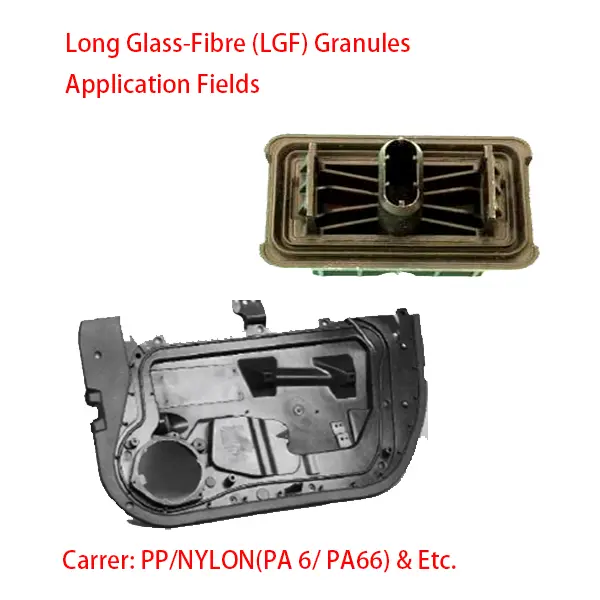
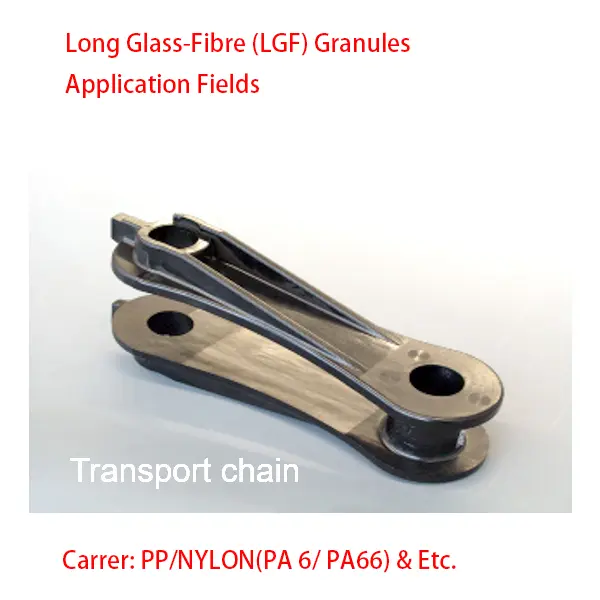
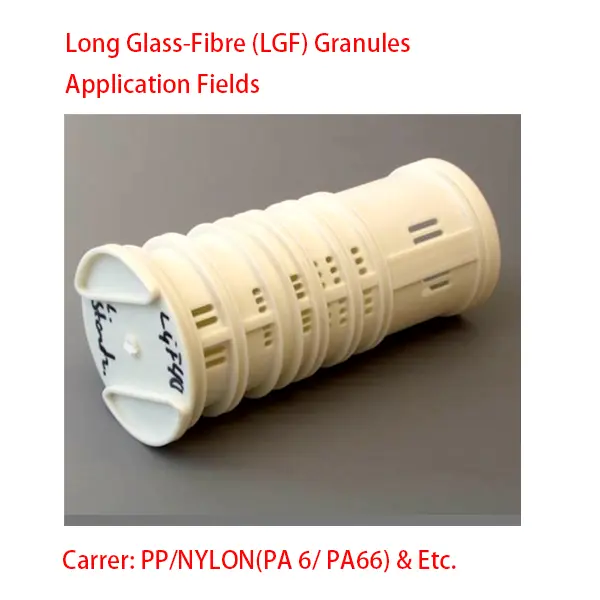
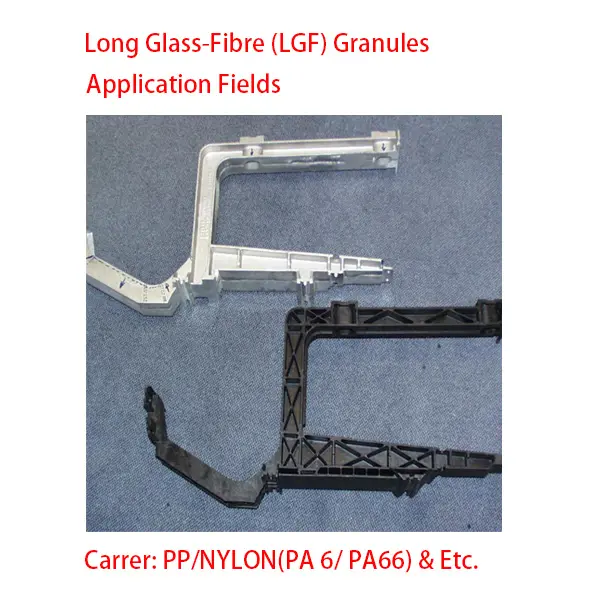
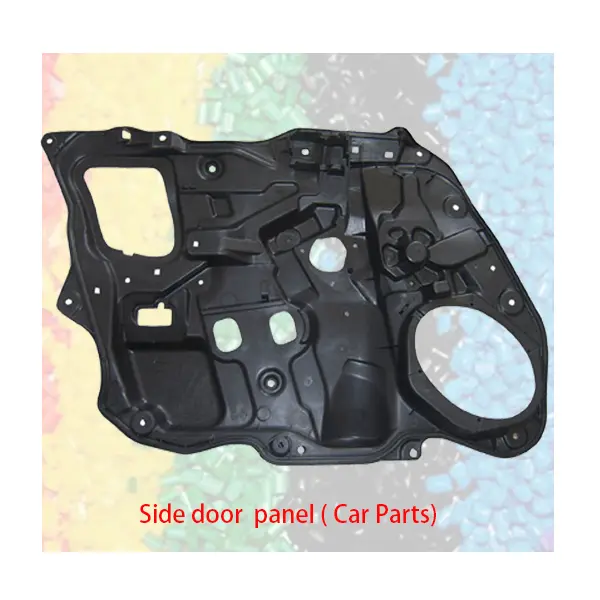
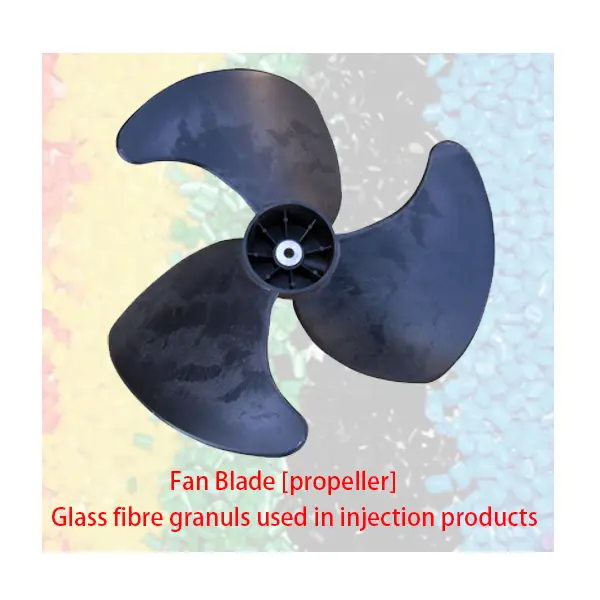
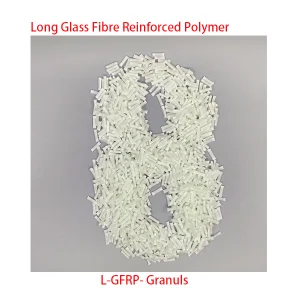
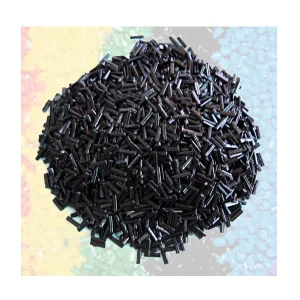
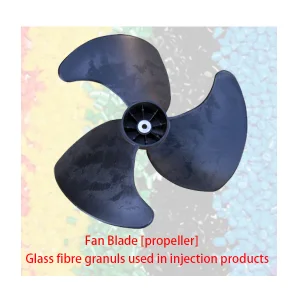
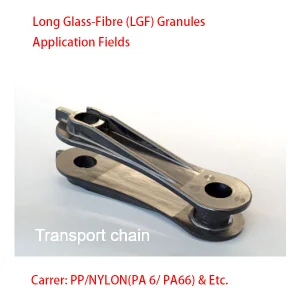
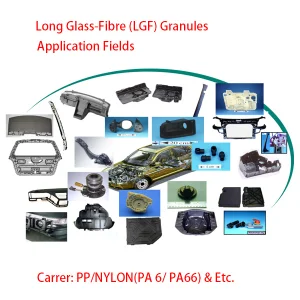
Our long GFRP granules are engineered to manufacture components for automotive assemblies, home appliances, electrical devices, and structural concrete reinforcements. Our focus on quality and material science helps clients optimize part weight, impact resilience, and long-term durability.
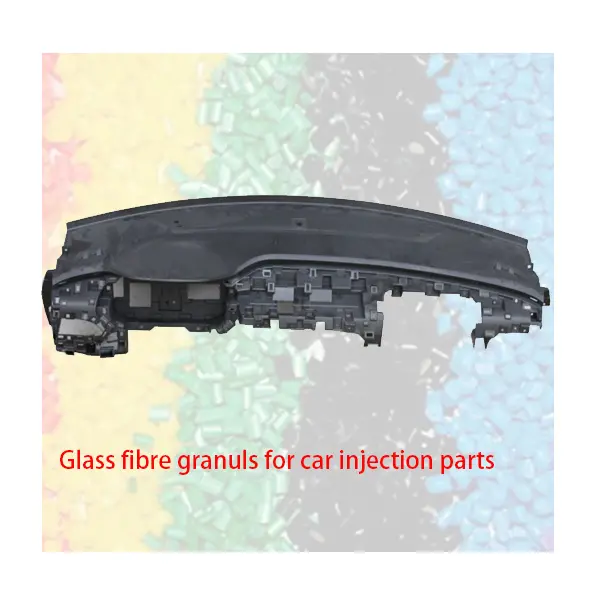
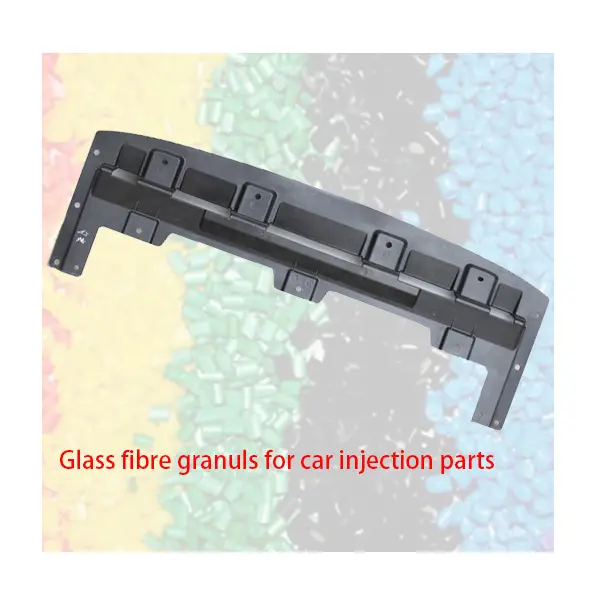
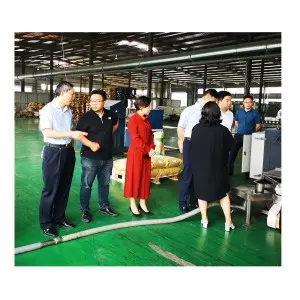
International clients visited our facility to inspect PA6 and PA66 long GFRP granule production lines. The batch passed all mechanical performance and quality control checks.
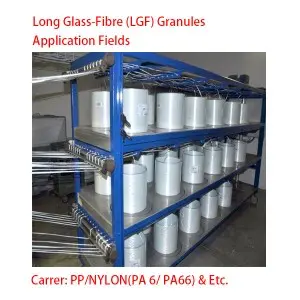
We successfully commissioned a new production line, increasing our annual throughput and helping meet growing demand for high-strength composite polymers.
Get quarterly updates on GFRP materials research, spec sheets, compliance documentation, and project price updates.
Subscribe Now Best Composite