Explore our range of glass-fiber-reinforced polymer precursors designed for modern infrastructure, concrete reinforcements, and high-performance pultrusion profiles.
Jurong Best Composite Materials Co., Ltd. is located in the ancient town of Maoshan, which has a history of over a thousand years. The town is part of Jurong City, Zhenjiang, Jiangsu Province. It is situated on the lower reaches of the Yangtze River, adjacent to Nanjing, and is close to Nanjing Lukou International Airport. The Jianning-Taicang Expressway (from Nanjing to Taicang) passes through the area, and the Jurong exit of the Shanghai-Nanjing Expressway connects to Zhenjiang Port and Nanjing Port. Benefiting from the radiation of the Yangtze River Delta Economic Zone, the transportation is very convenient.
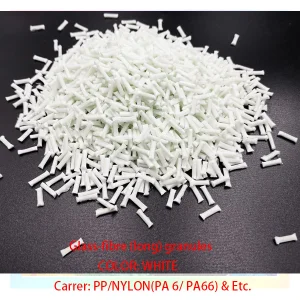
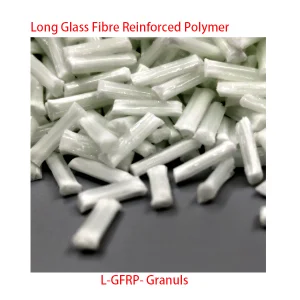
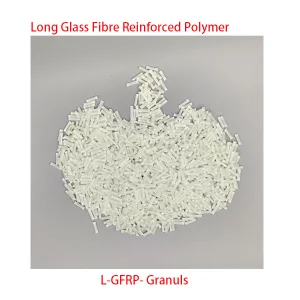
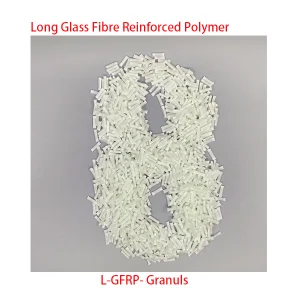
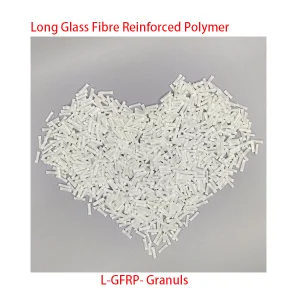
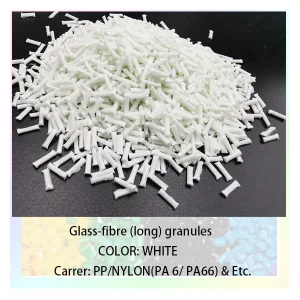
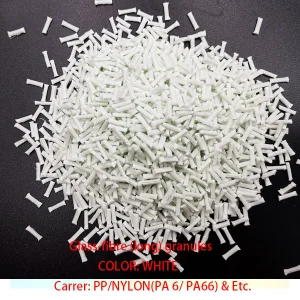
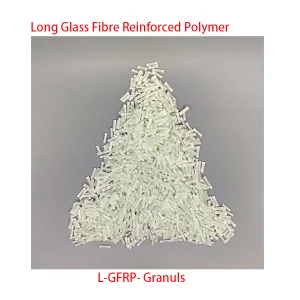
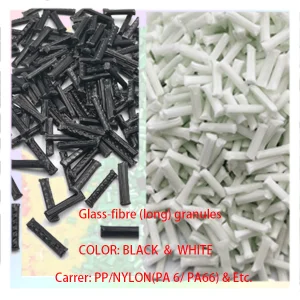
We specialized in the compounding and molecular synthesis of Long Glass Fiber Reinforced Polymer (GFRP) granules, including PP, PA6, PA66, PBT, PPS, TPU, and PE. These composite bases provide the core strength, chemical inertia, and durability characteristics required to construct modern sandblasted / sand-coated composite rebars, which have completely revolutionized the infrastructure and construction landscapes.
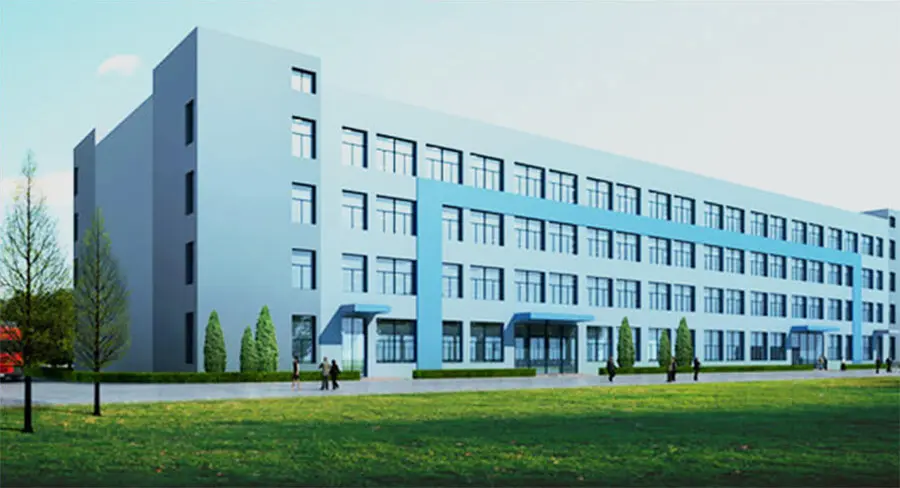
Advanced polymer testing and processing facility in Jiangsu, China.
Modern structural engineering is facing an expensive and critical battle: corrosion of reinforcement steel in concrete. Globally, billions of dollars are lost annually due to the degradation of bridge decks, marine structures, and retaining walls exposed to deicing salts and marine environments. Historically, epoxy-coated steel and stainless steel were used to delay this chemical erosion. Today, Glass Fiber Reinforced Polymer (GFRP) rebars, especially those finished with sandblasted (sand-coated) surfaces, are recognized as the ultimate long-term solution.
Sandblasted GFRP rebar combines the high tensile strength of composite fiberglass matrices with the mechanical interlocking properties of coarse silica sands. During manufacturing, pultruded polymer shapes (manufactured utilizing high-grade structural formulations like PA6, PA66, or PP matrix resins) receive a surface treatment of structural sand coating. This sandblasting process increases the mechanical friction coefficient against concrete, ensuring superior pullout resistance and bond strength. Structurally, this eliminates internal slippage, improving crack control and overall concrete serviceability limits.
Sand-coating dramatically increases the surface roughness, resulting in a bond strength with concrete that is up to 2x higher than ribbed non-coated composite alternatives.
Completely immune to chloride ions, acids, and chemical attacks. Crucial for coastal sea walls, chemical factories, water treatment facilities, and swimming pools.
GFRP materials are non-magnetic and non-conductive. This makes them ideal for hospital MRI rooms, toll booths, and rapid transit guide track installations.
The manufacturing process of high-performance composite products depends entirely on the compound matrix design. Below is a detailed mapping of how Long Glass Fiber Reinforced Polymer (LGFRP) technology facilitates high-strength end products like sandblasted rebar and structural structural components.
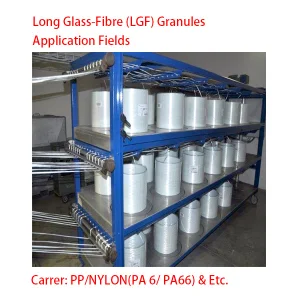
Jurong Best Composite Materials Co., Ltd. implements state-of-the-art compounding technology that optimizes fiber wet-out and length retention. Standard short glass fibers break easily during shear processing, yielding compounds with limited structural integrity. Our long glass fiber granules maintain a structured internal alignment, which transfers stress efficiently along the resin matrix. This performance envelope makes them perfect structural candidates for pultruded profile extrusions and high-performance injection-molded automotive or municipal elements.
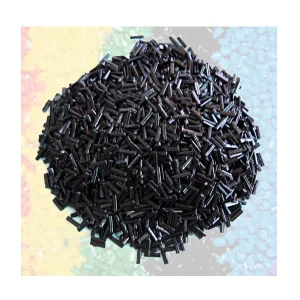
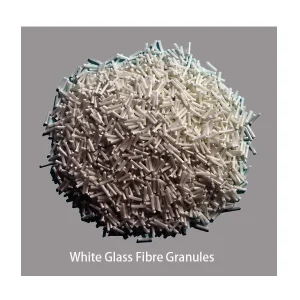
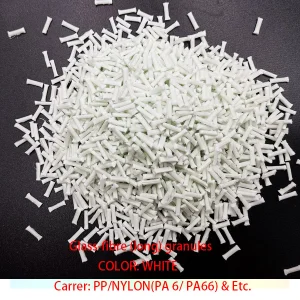
Thermoplastics like Polypropylene (PP), Polyamide 6 (PA6), Polyamide 66 (PA66), or Polyphenylene Sulfide (PPS) are blended with long glass fibers under highly managed thermal regimes. This produces pellets with continuous fibers matching the length of the pellet itself (usually 10mm to 25mm).
These long glass fiber granules are fed into pultrusion machines. Continuous fiber rovings are drawn through the molten resin, forming solid, highly directional profile bars. These profiles achieve a fiber volume fraction exceeding 60-70%, matching the strict stiffness parameters required for reinforcement.
Before the final polymer matrix completely cures, the outer layer of the rebar is grit-blasted or sand-coated. This process embeds structural silica sand, forming a durable, highly integrated surface profile that exhibits incredible chemical and mechanical shear resistance inside curing concrete mixtures.
Every structural batch undergoes dynamic pull-out testing, transverse shear analysis, and thermal degradation checks in accordance with global benchmarks like ASTM D7957 and ACI 440 guidelines.
Discover the original core compounding grades produced and exported by Jurong Best Composite Materials Co., Ltd.
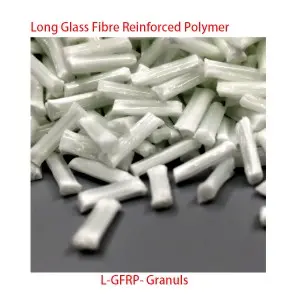
High-mechanical durability matrix for structural components.
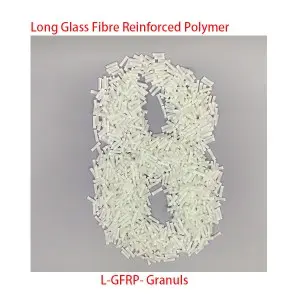
Thermoplastic hybrid matrix customized for injection molding.
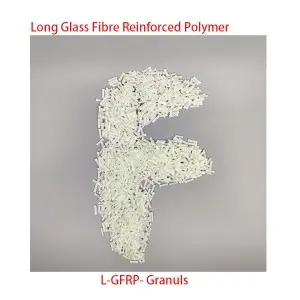
Multi-polymer blended systems for general industrial utilities.
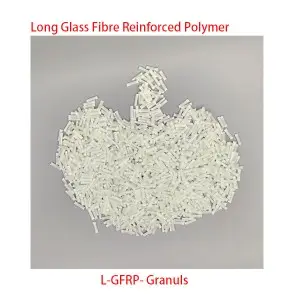
Highly stiff nylon formulation optimized for structural frameworks.
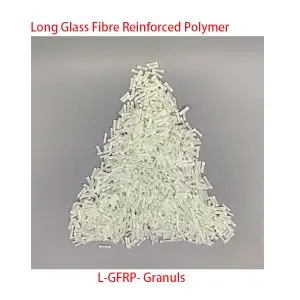
Engineered long glass fiber composite profiles and bases.
When engineering complex structural foundations, choosing the correct reinforcement matrix dictates the long-term reliability and physical limits of the project. Below is a comparative review highlighting why sandblasted GFRP systems outperform traditional steel variants across critical physical metrics:
This structural comparison shows that while GFRP has a lower elastic modulus than steel, its high tensile strength and lightweight nature (1/4 weight of steel) reduce logistics costs and expedite manual layout times. This makes it an ideal alternative for transportation structures, toll platforms, marine foundations, and subterranean tunnel designs.
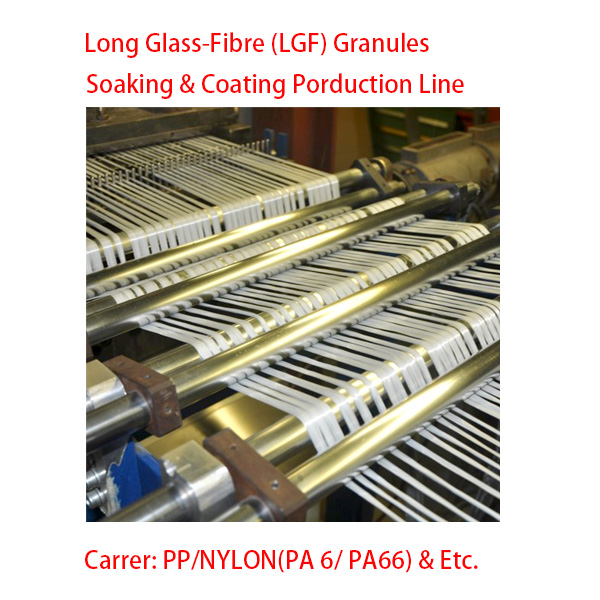
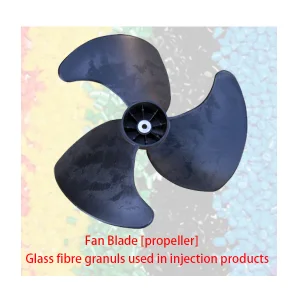
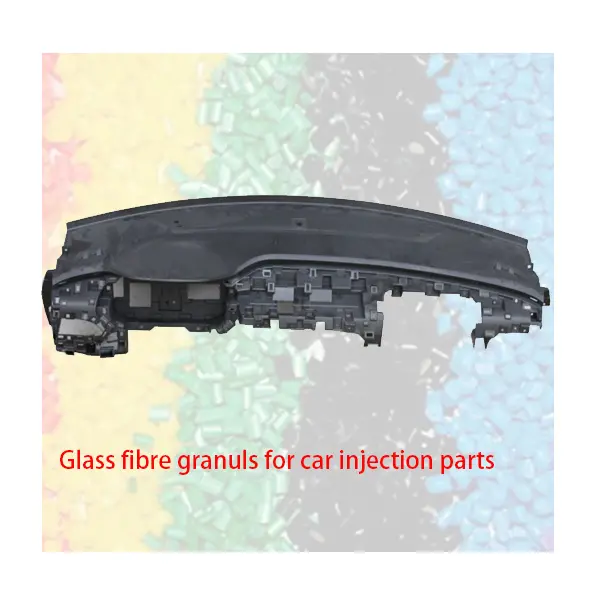
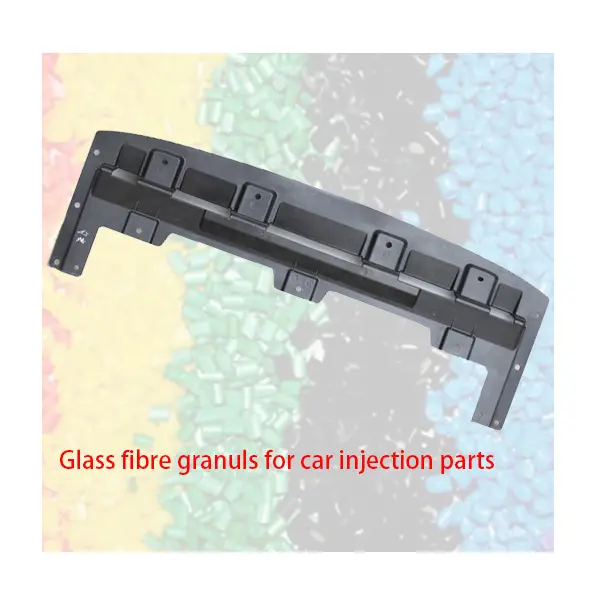
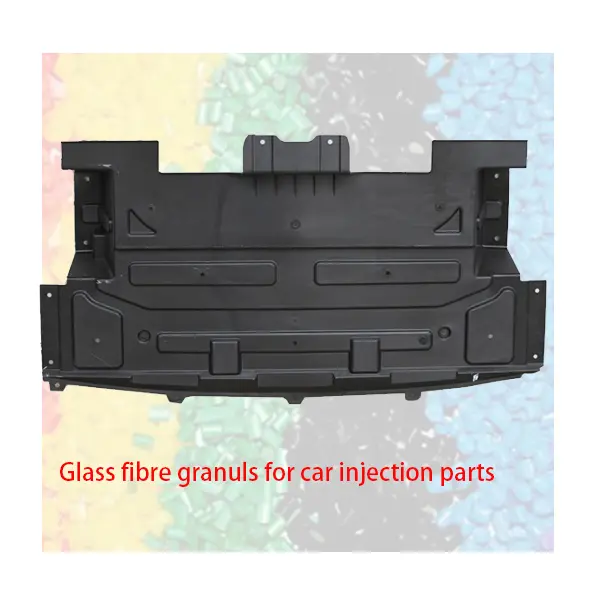
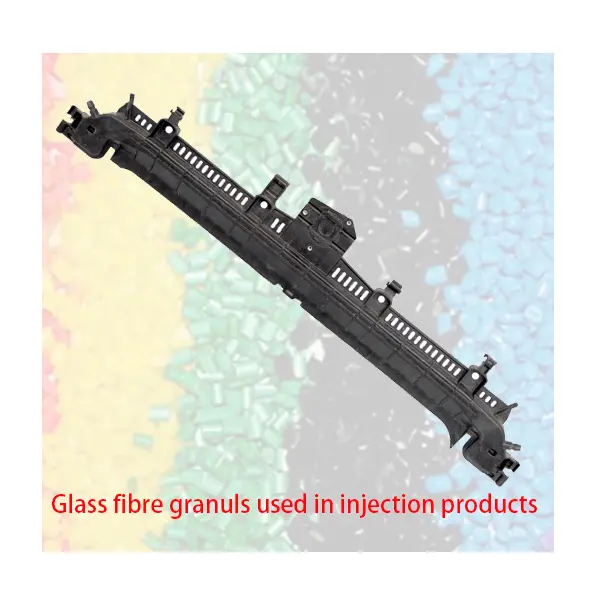
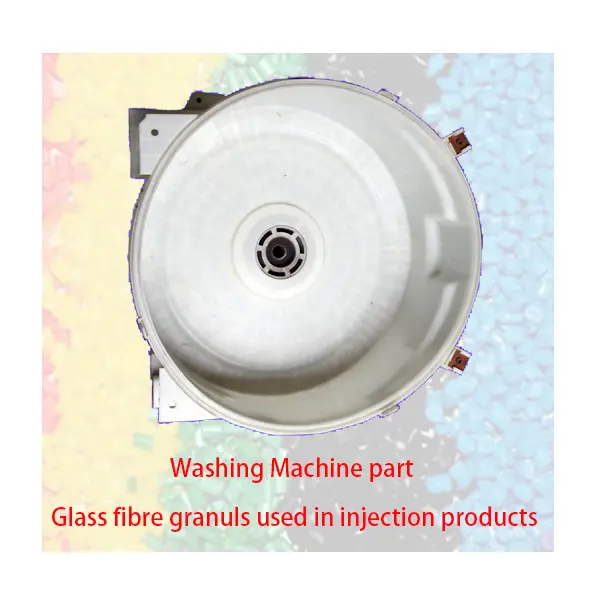
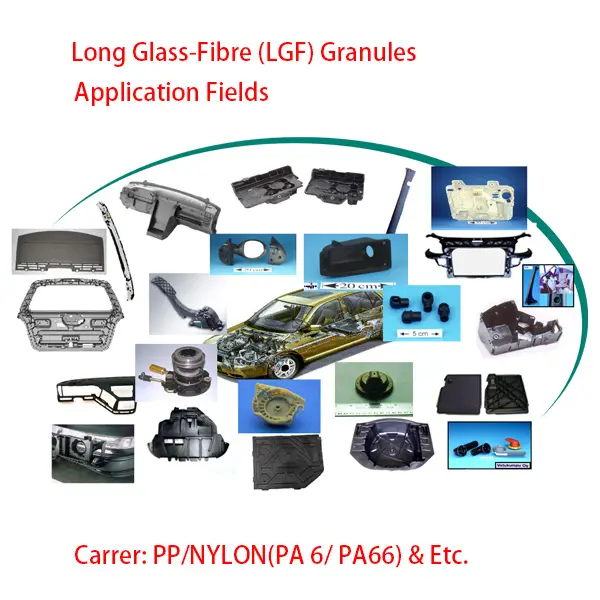
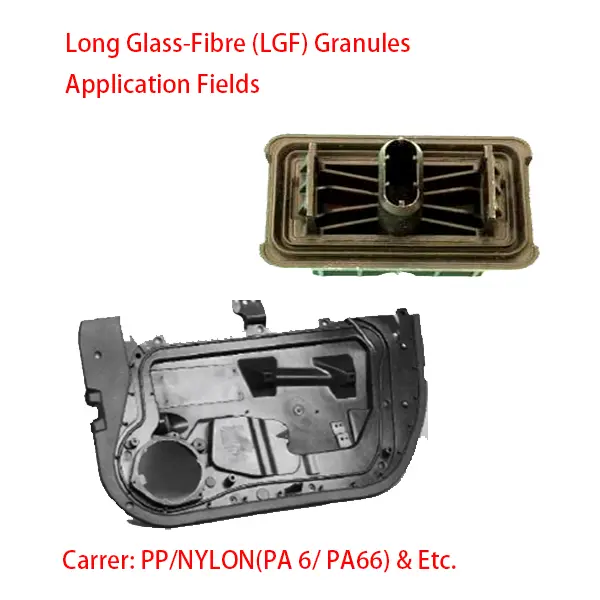
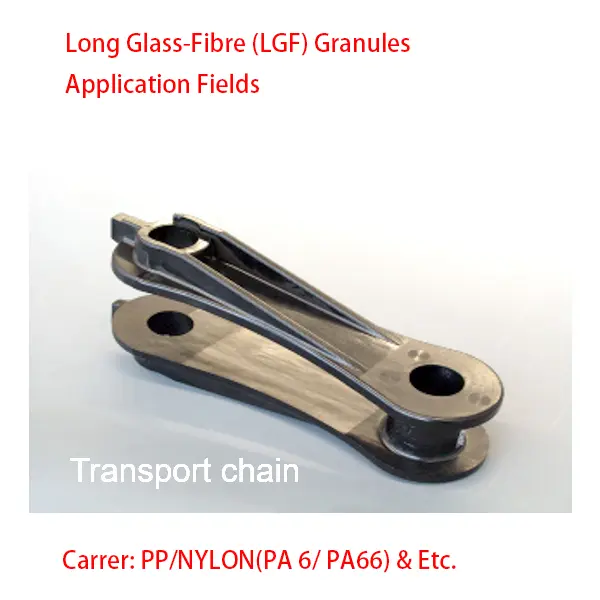
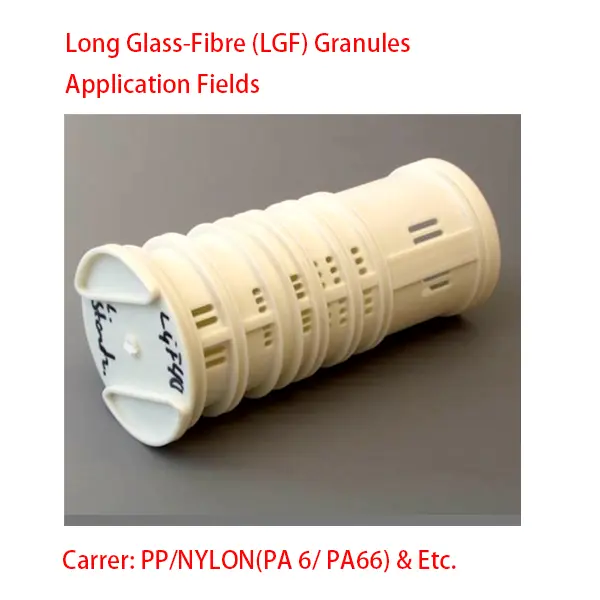
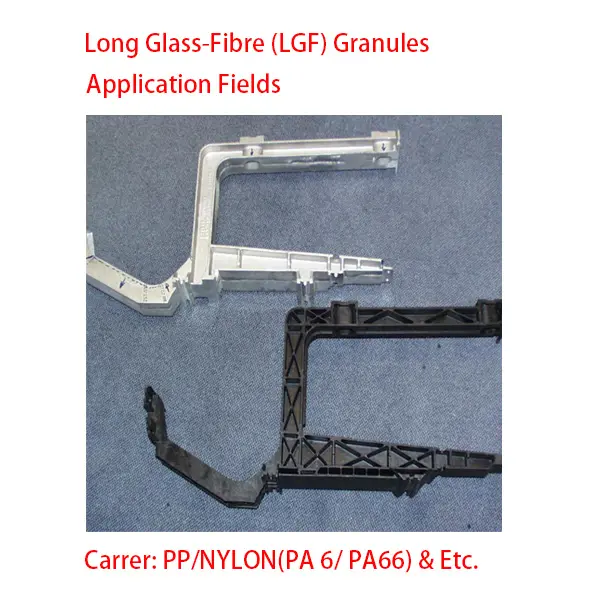
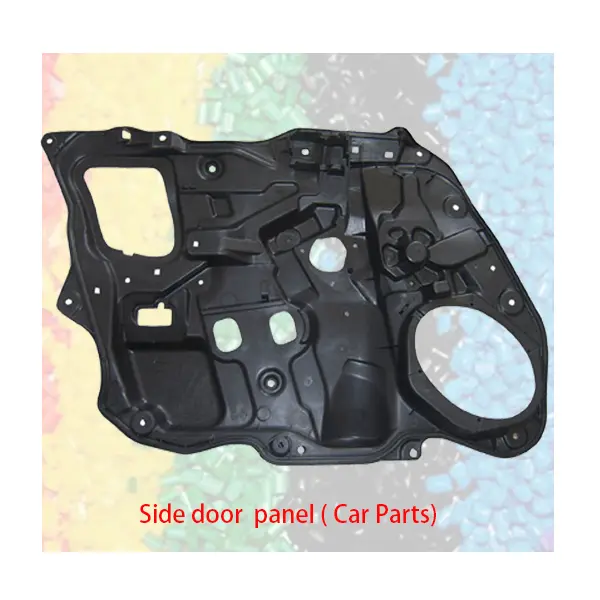
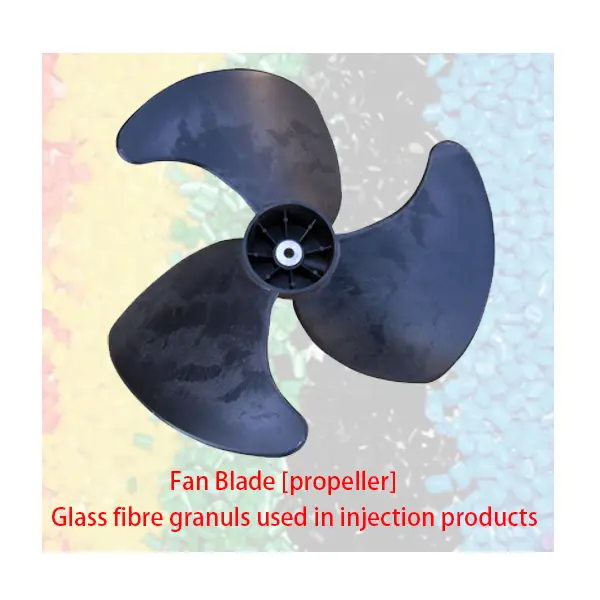
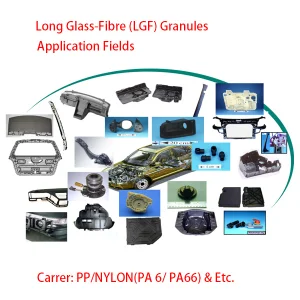
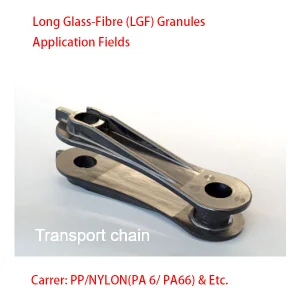
The GFRP granules can make different kinds of special products, such as car parts, washing machine parts, small kitchen electrical appliances, and etc. Our chemical systems ensure high dimensional stability, heat deflection resistance, and excellent creep performance, which are mandatory requirements for these modern engineering applications.
Procuring sandblasted composite rebar and engineering raw materials on a global scale requires strict attention to logistics frameworks, tariff codes, and regional certifications. Whether you are engineering infrastructure projects in the EU, the US, or APAC, materials must align with regional safety guidelines. Below is an engineering framework for sourcing compliance:
Through systematic quality checks and raw material tracing, our composite systems prevent structural degradation under alkaline concrete environments, providing security and reliability for your infrastructure investments.
The clients visited our factory today, and had a professional and rigorous inspection for the PA6 and PA66 long GFRP (Glass-Fiber-Reinforced-Polymer) granules. They were highly satisfied with our product quality and quality control processes. Reported by Lu.
Our company has successfully installed and commissioned a new machine line in the workshop. Production output and throughput targets have been met, boosting our annual output capacity.
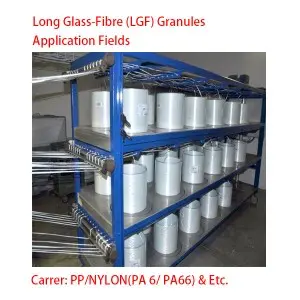
GFRP Production Line
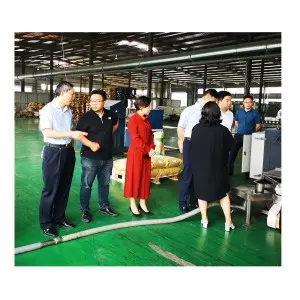
Customer Audit
Secondary Line
Quality Review
Find answers to the most common engineering and procurement questions regarding sandblasted composite rebars.
Select the items below to view wholesale pricing, custom compounding setups, and global distribution timelines.
For inquiries about our engineering composite granules, custom compounding configurations, or product pricelists, please leave your email below. Our team will get back to you within 24 hours.
Subscribe & Request Catalog Best Composite