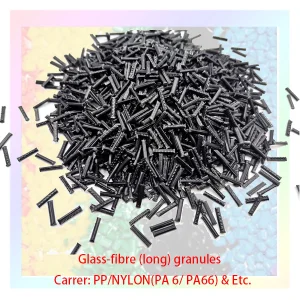
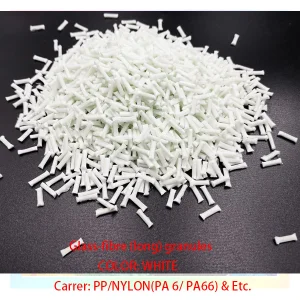
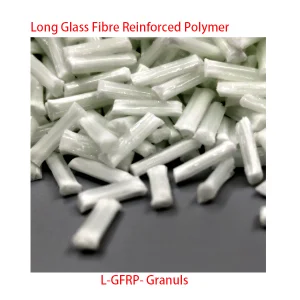
Featured Armenian Industrial Polymer Solutions
 The Armenia Industrial Landscape & High-Performance Polymers
Armenia, historically a hub for precision engineering and chemical production within the Caucasus, is undergoing a rapid industrial transformation. As the nation focuses on modernizing its automotive component manufacturing, agricultural machinery, and renewable energy sectors, the demand for materials that offer high "strength-to-weight" ratios has skyrocketed. Long Glass-Fibre Reinforced PBT (LGF-PBT) represents the pinnacle of this material evolution.
Unlike traditional short-fiber plastics, our LGF-PBT provides an internal 3D fiber skeleton. This structural integrity is vital for Armenia's climate, which experiences significant temperature fluctuations—from the high peaks of the Armenian Highlands to the Ararat Valley. LGF-PBT maintains exceptional dimensional stability and creep resistance, ensuring that precision-molded parts do not warp under thermal stress.
 Technical Roadmap: The Pultrusion Advantage
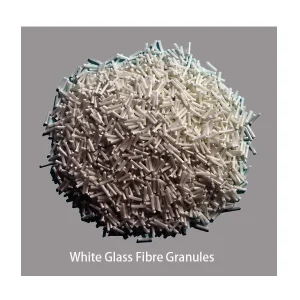
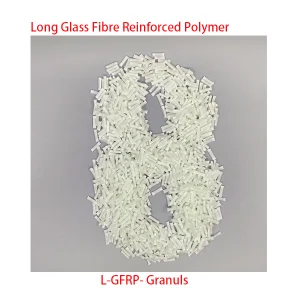
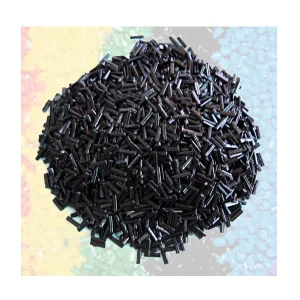
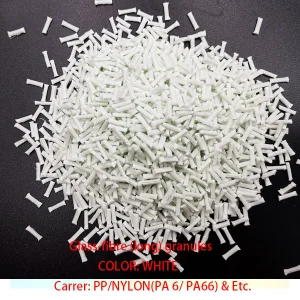
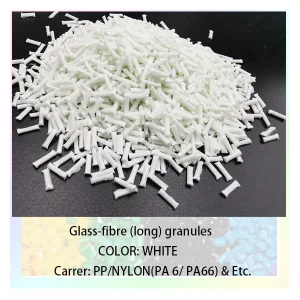
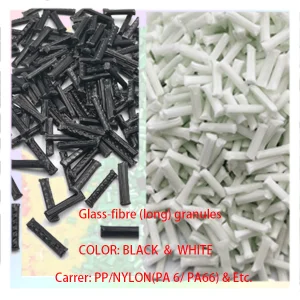
At Jurong Best Composite Materials Co., Ltd., we utilize advanced pultrusion technology to manufacture our LGF-PBT. Unlike traditional compounding, our process ensures that the glass fibers are fully impregnated by the PBT resin and remain long (typically 10mm to 25mm) in the final granule.
We are currently developing "Bio-based LGF-PBT" to align with Armenia's growing focus on environmental sustainability. Furthermore, our R&D is integrating Carbon Fiber Hybridization to reduce part weight by an additional 20% for the EV market in Yerevan.
 Localized Application Scenarios in Armenia

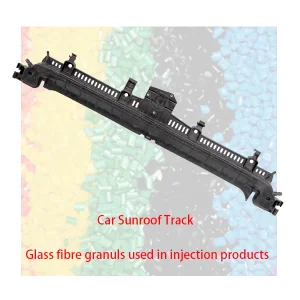
Supplying structural components for Armenian Tier-2 suppliers, including wiper brackets, headlight housings, and engine covers that require thermal stability near the motor.

With Armenia's push into solar energy, our LGF-PBT is used for high-strength, UV-resistant mounting brackets and junction boxes in solar farms.

Durable pump housings and valve bodies for irrigation systems in the Ararat region, where chemical resistance to fertilizers and resistance to grit is paramount.
 Corporate Authority: Jurong Best Composite Materials
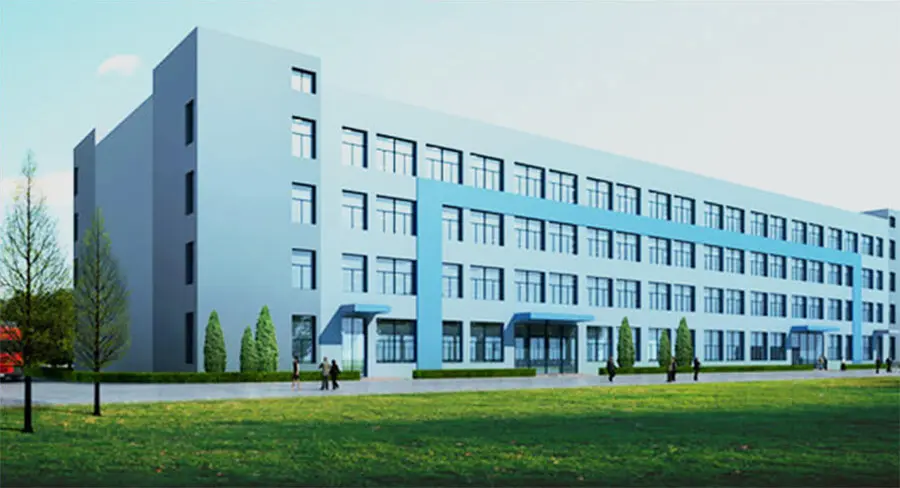
Jurong Best Composite Materials Co., Ltd. is located in the ancient town of Maoshan, which has a history of over a thousand years. The town is part of Jurong City, Zhenjiang, Jiangsu Province. It is situated on the lower reaches of the Yangtze River, adjacent to Nanjing, and is close to Nanjing Lukou International Airport.
Benefiting from the radiation of the Yangtze River Delta Economic Zone, our transportation network connects us directly to Armenia through major shipping routes from Zhenjiang and Nanjing Ports. We specialize in GFRP (Glass-Fiber-Reinforced-Polymer) granules that empower diverse industries globally.
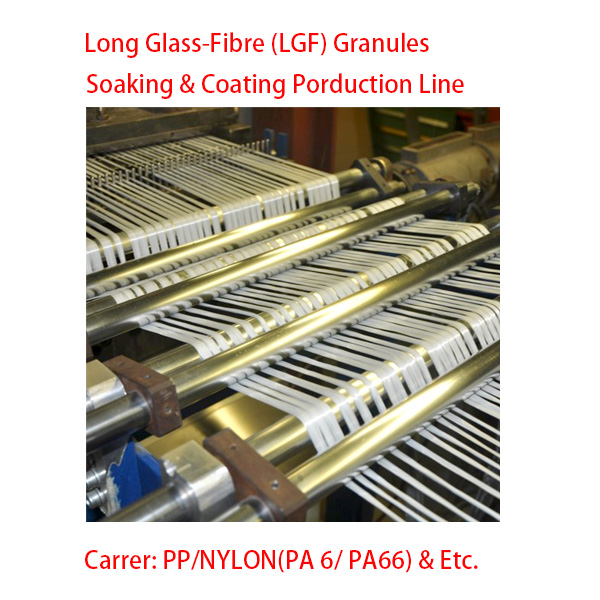
2019.Nov 16: Armenian industrial delegation visited our company for quality checking. Professional and rigorous inspection for the PA6 and PA66 long GFRP granules was conducted. Result: 100% satisfaction with our controlling process.
2019.Nov 09: Commissioned a new GFRP machine line to meet the increasing demand from European and Caucasian partners, ensuring a stable supply chain for Armenia.
 Global Context & Macro Industry Solutions
The global shift toward "Metal Replacement" is the driving force behind LGF-PBT growth. For Armenian manufacturers, this offers a dual advantage: cost reduction and carbon footprint lowering. By replacing heavy aluminum or zinc die-cast parts with LGF-PBT, companies can reduce transportation energy costs and assembly times.
LGF-PBT is fully recyclable. We offer closed-loop recycling solutions for Armenian factory scraps, reducing industrial waste.
Our granules provide the lowest isotropic shrinkage in the industry, critical for Armenian electronics manufacturers.
With warehouses near major ports, we guarantee lead times to Yerevan within 4-6 weeks, including all customs documentation.
 Frequently Asked Questions (Armenia Market)
The "Long" fibers (10-12mm) create a network that absorbs energy and distributes stress. In SGF, the fibers are only 0.5-1mm, leading to brittle failure. LGF offers 3-5 times the impact resistance.
Yes. PBT has a low glass transition temperature and maintains its toughness at temperatures as low as -40°C, making it ideal for Armenian highlands infrastructure.
We offer flexible shipping terms for Armenia, starting from 1 ton for trial orders to full container loads (FCL) for established production lines.
Absolutely. Our engineering team provides detailed datasheets and processing guidelines (temperature profiles, back pressure settings) to ensure Armenian molders achieve the best fiber length retention.
 Comprehensive Product Catalog for Armenian Industry
 Best Composite