Engineered structural polymer formulations delivering high tensile load support and micro-dimensional stability.
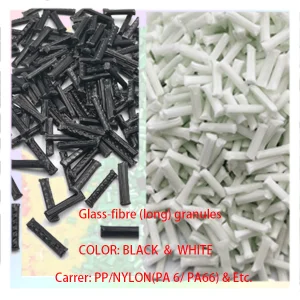
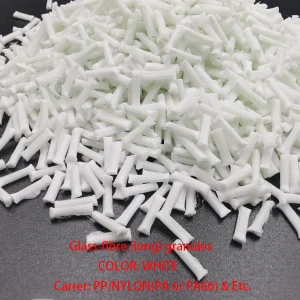
Industrial materials are undergoing a transformation towards lightweighting and high durability. Among thermoplastic composites, Long Glass-Fiber Reinforced Polybutylene Terephthalate (LGF-PBT) stands out as a critical material choice. Unlike traditional short-fiber compounds, the pultrusion manufacturing process preserves the integrity of structural fibers throughout the polymer pellet matrix. This results in an internal three-dimensional skeletal network upon injection molding. This whitepaper analyzes the mechanical characteristics of LGF-PBT, its global industrial dynamics, and its targeted applications in the developing infrastructure landscape of Eritrea and the broader Horn of Africa.
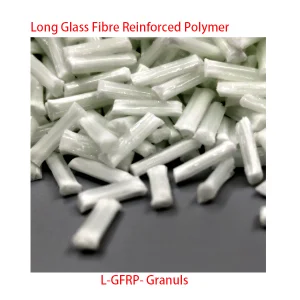
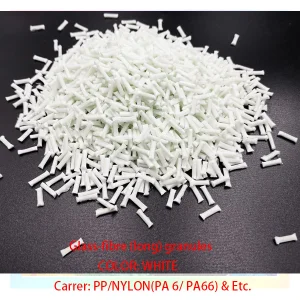
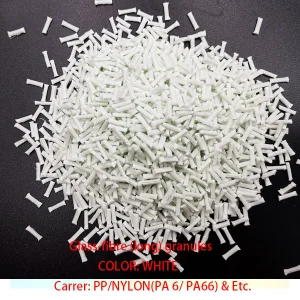
Standard glass-fiber formulations utilize chopped fibers with typical lengths under 1.0mm. In contrast, Jurong Best Composite Materials' LGF-PBT features a starting fiber length equal to the pellet size itself (typically 10mm to 12mm). During processing, this ensures that the aspect ratio (length/diameter) remains high, allowing effective stress transfer along the fiber lines. This minimizes creep deformation under sustained loading.
Eritrea possesses unique geological and environmental conditions. With industrial hubs around Asmara, key port infrastructure at Massawa and Assab, and mineral exploration regions in the western highlands, the demand for resilient structural materials is growing. The country's environment is characterized by high ambient temperatures, severe coastal salinity, and high solar UV index levels.
These conditions present challenges for conventional structural metals (which suffer from galvanic corrosion) and standard grade polyolefins (which suffer from rapid thermal oxidation and UV degradation). LGF-PBT provides an engineering solution for structural parts in Eritrean marine logistics, agricultural irrigation networks, solar mounting structures, and sub-surface mineral extraction units. Its moisture resistance prevents hydrolysis, ensuring long-term durability.
As global production shifts toward localized energy systems and electric vehicles, advanced engineering materials are increasingly in demand. Jurong Best Composite Materials Co., Ltd., located in the Maoshan region of Jurong City, Jiangsu Province, China, operates at the center of this global supply chain. Maoshan's location within the Yangtze River Delta Economic Zone, adjacent to Nanjing and close to key ports, enables efficient logistics to international markets, including direct maritime shipping to the Red Sea.
By establishing optimized export routes to Eritrea through Massawa Port, we ensure that local manufacturing operations can access advanced composites without the high inventories associated with multi-stage distribution. This direct-to-market model provides technical support and consistent batches designed for local processing conditions.
LGF-PBT provides resistance to organic solvents, automotive fluids, and saline environments, preventing environmental stress cracking.
Its low coefficient of thermal expansion (CLTE) ensures that molded parts maintain tight tolerances across fluctuating daily temperatures.
To achieve optimal mechanical performance, the injection molding process must minimize fiber breakage during plasticization. It is recommended to use low-shear screws with a compression ratio between 1.8:1 and 2.0:1. Free-flow valves and open-bore nozzles are preferred over restrictive tips.
Melt temperature should be maintained between 250°C and 270°C, and mold temperatures should range from 70°C to 90°C. This promotes crystallinity in the PBT matrix, which enhances the surface finish and mechanical properties of the finished component.
A leading composite manufacturer bringing advanced materials and global supply chain security to East Africa.
Jurong Best Composite Materials Co., Ltd. is located in the ancient town of Maoshan, which has a history of over a thousand years. The town is part of Jurong City, Zhenjiang, Jiangsu Province. It is situated on the lower reaches of the Yangtze River, adjacent to Nanjing, and is close to Nanjing Lukou International Airport. The Jianning-Taicang Expressway (from Nanjing to Taicang) passes through the area, and the Jurong exit of the Shanghai-Nanjing Expressway connects to Zhenjiang Port and Nanjing Port. Benefiting from the radiation of the Yangtze River Delta Economic Zone, the transportation is very convenient.
Our company specializes in the development, manufacturing, and international distribution of high-performance glass-fiber reinforced polymers (GFRP) and long-fiber thermoplastic formulations, providing technical support for challenging industrial applications.
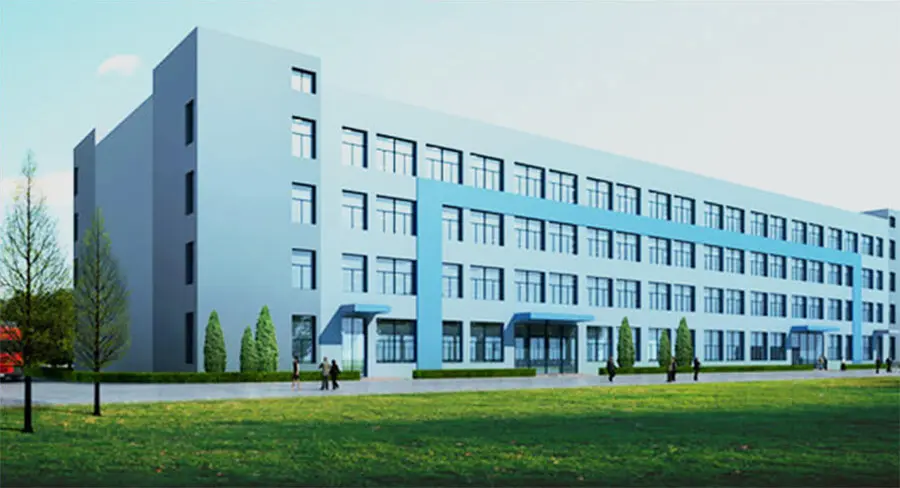
Continuous investment in production capacity and rigorous testing standards to meet international requirements.
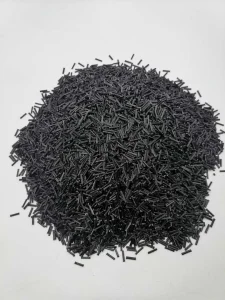
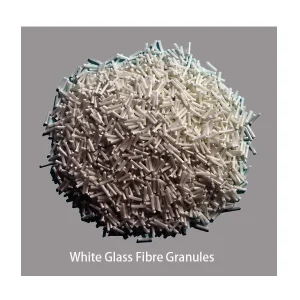
Clients visited our facility to inspect our PA6 and PA66 long GFRP (Glass-Fiber-Reinforced-Polymer) granules. The inspection confirmed compliance with our quality control processes for the upcoming batch.
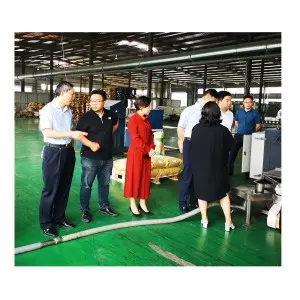
Our new GFRP machine line is operational, increasing our output capacity to meet demand for customized structural formulations.
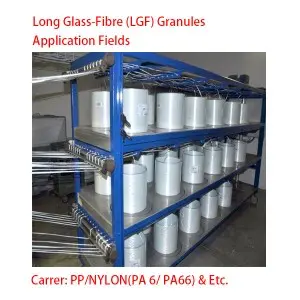
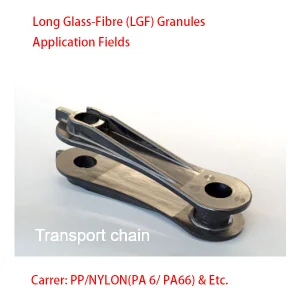
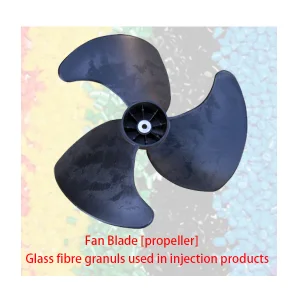
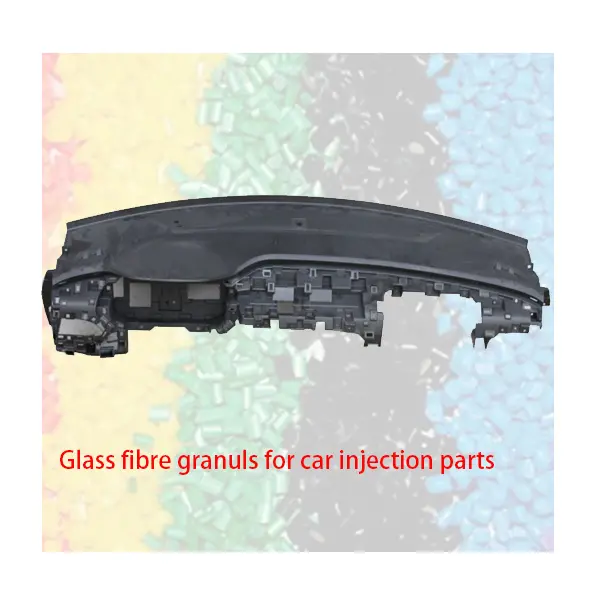
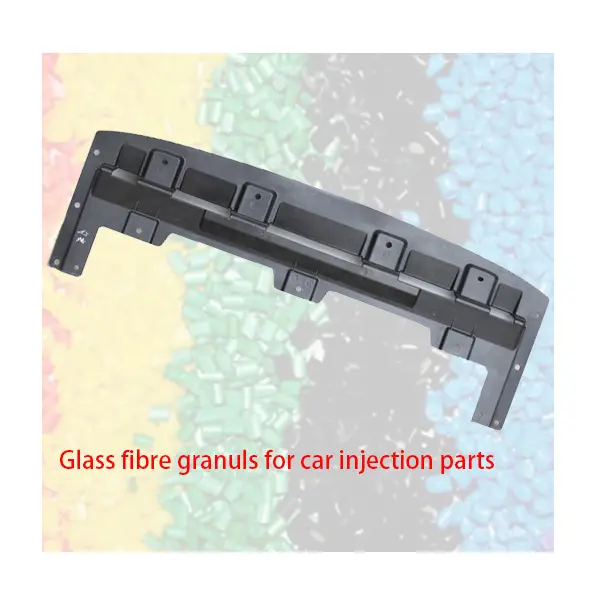
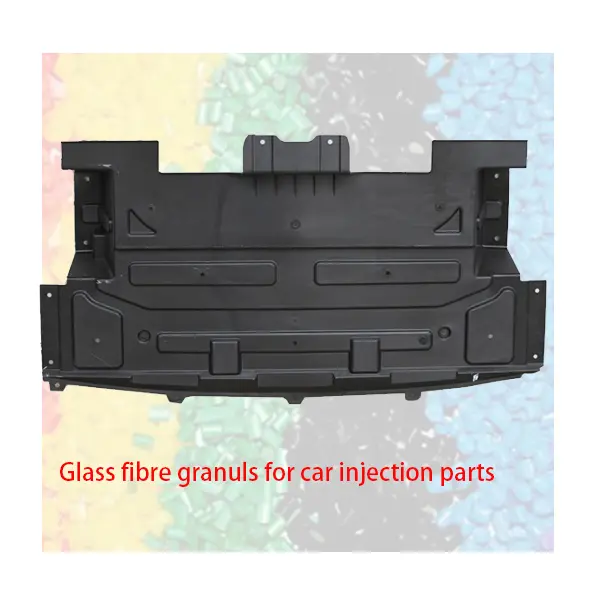
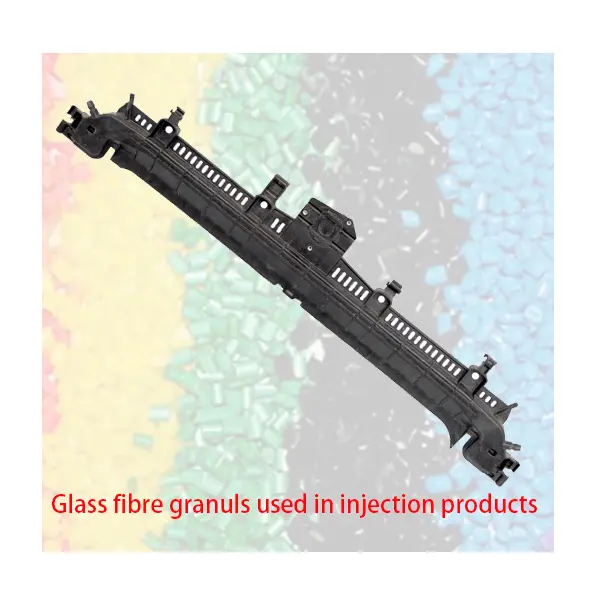
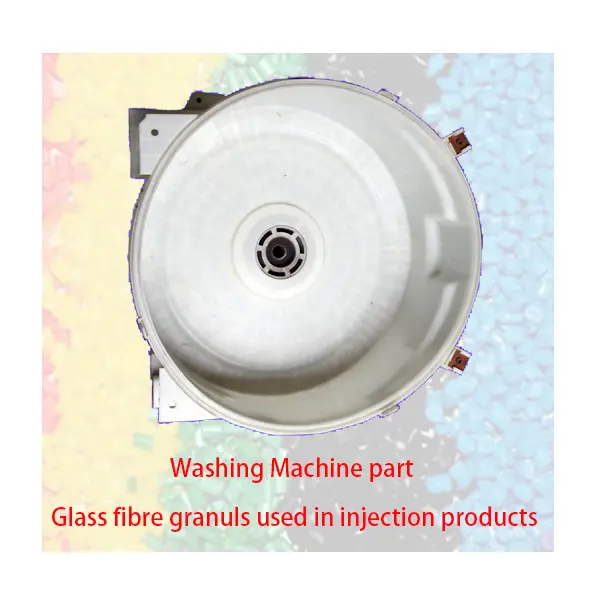
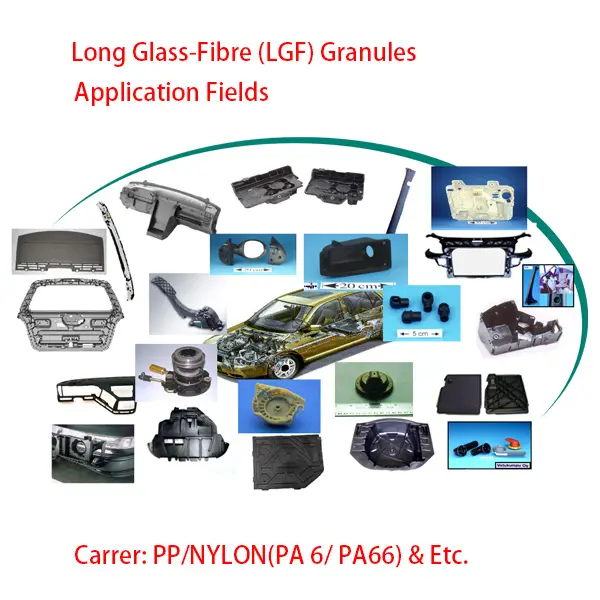
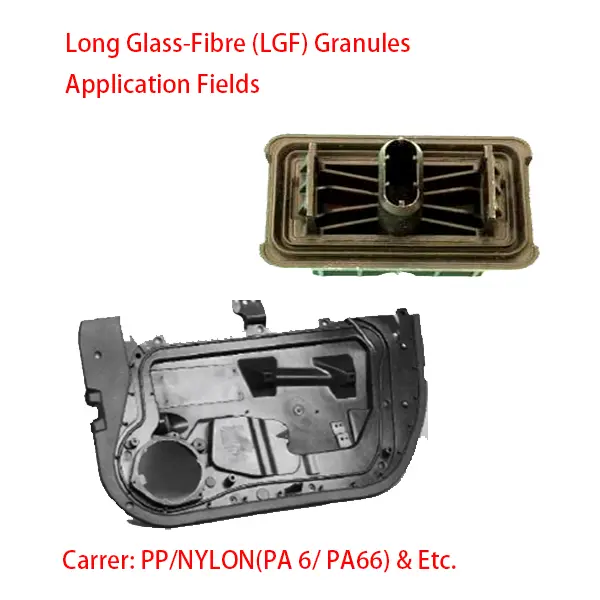
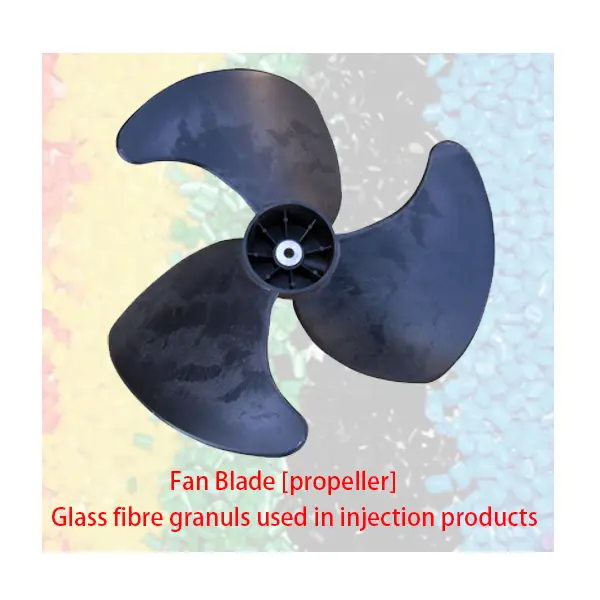
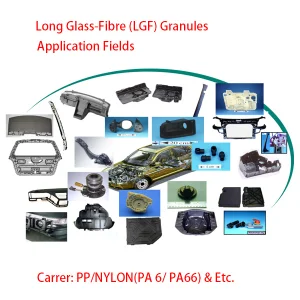
The GFRP granules can make different kinds of special products, such as car parts, washing machine parts, small kitchen electrical appliances, and structural components.
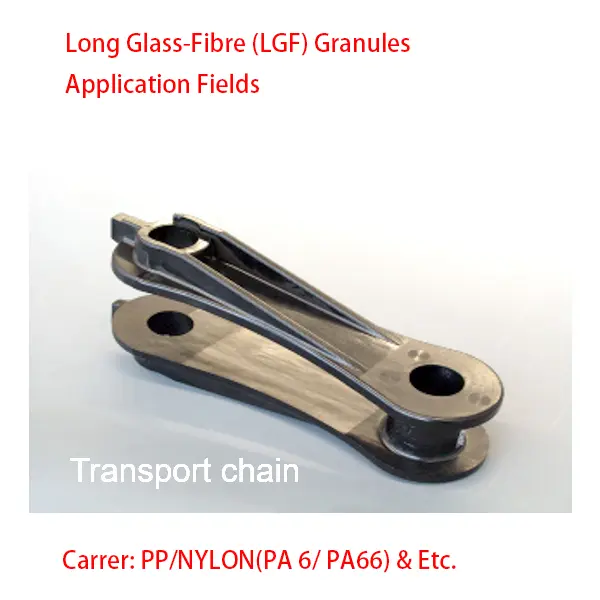
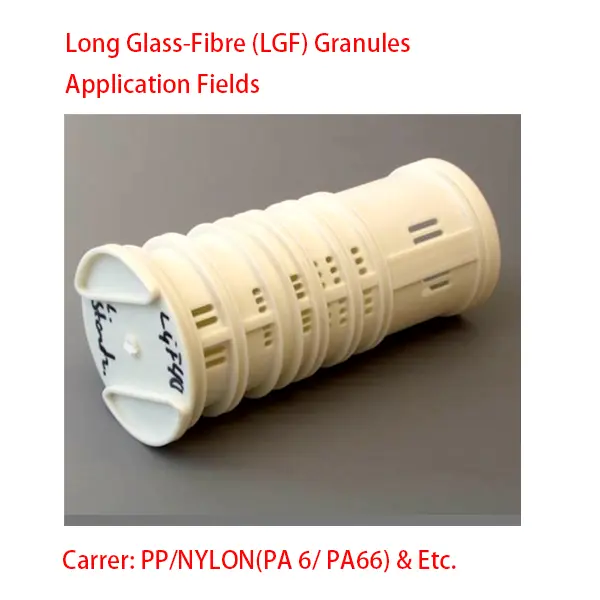
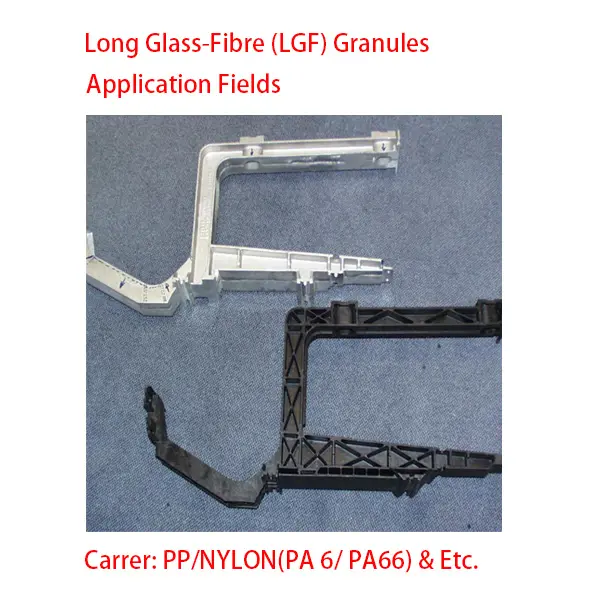
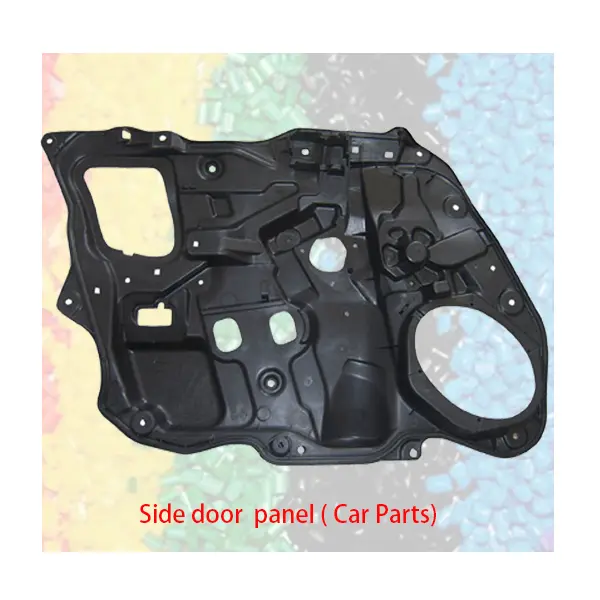
Technical guidance on environmental performance, processing parameters, and structural design.
A broad selection of composite options, including specialty polyamides and high-performance polyurethanes.
Subscribe to receive our latest whitepapers, product data sheets, and import guides for African markets.
 Best Composite